Ramadan in Historic Jeddah: A Guide to Al-Balad’s Nights and Hejazi Traditions
If you ask me the best time of year to visit Historic Jeddah, my answer comes without hesitation: Ramadan nights. During this month, Al-Balad turns from a quiet heritage district into a place that pulses with life from iftar until suhoor. Lanterns glow on the façades, stalls line the lanes, the smell of sambusa and balila mingles with incense and perfume, and people stroll among the old houses just as their grandparents did decades ago. In more than eight years of guiding in Jeddah, I’ve accompanied many guests through Ramadan nights, and in this guide I’ll share what you need to know to experience it at its best.
Why Ramadan in Al-Balad Feels Different
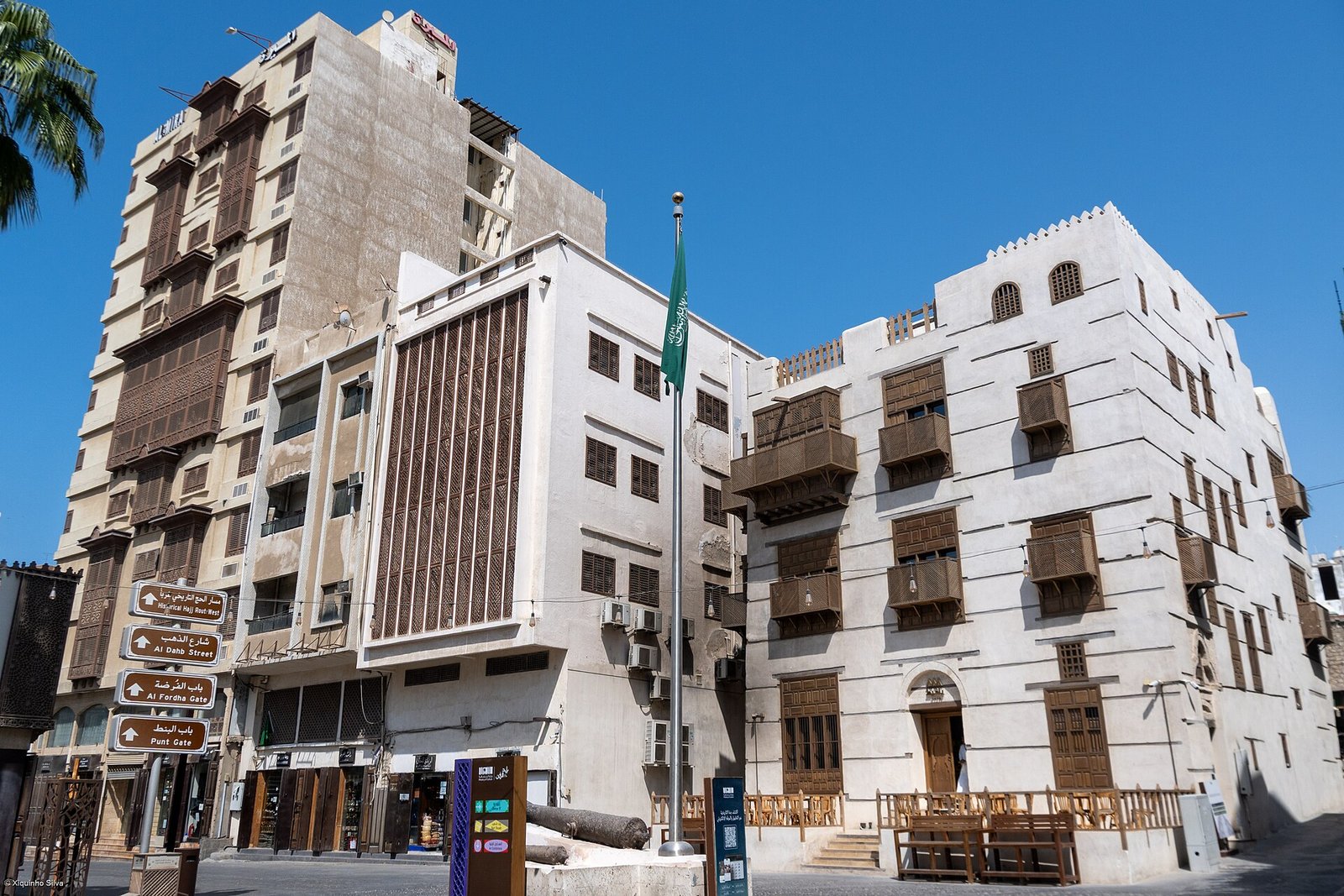
Ramadan in Historic Jeddah isn’t a temporary event designed for visitors; it’s the continuation of old social customs. Before Jeddah spread beyond its walls, the old quarters were the whole city, and Ramadan meant going out after iftar to the markets and squares, visiting relatives, gathering in the majlis rooms and behind the rawasheen, and buying what you needed from the stalls until suhoor.
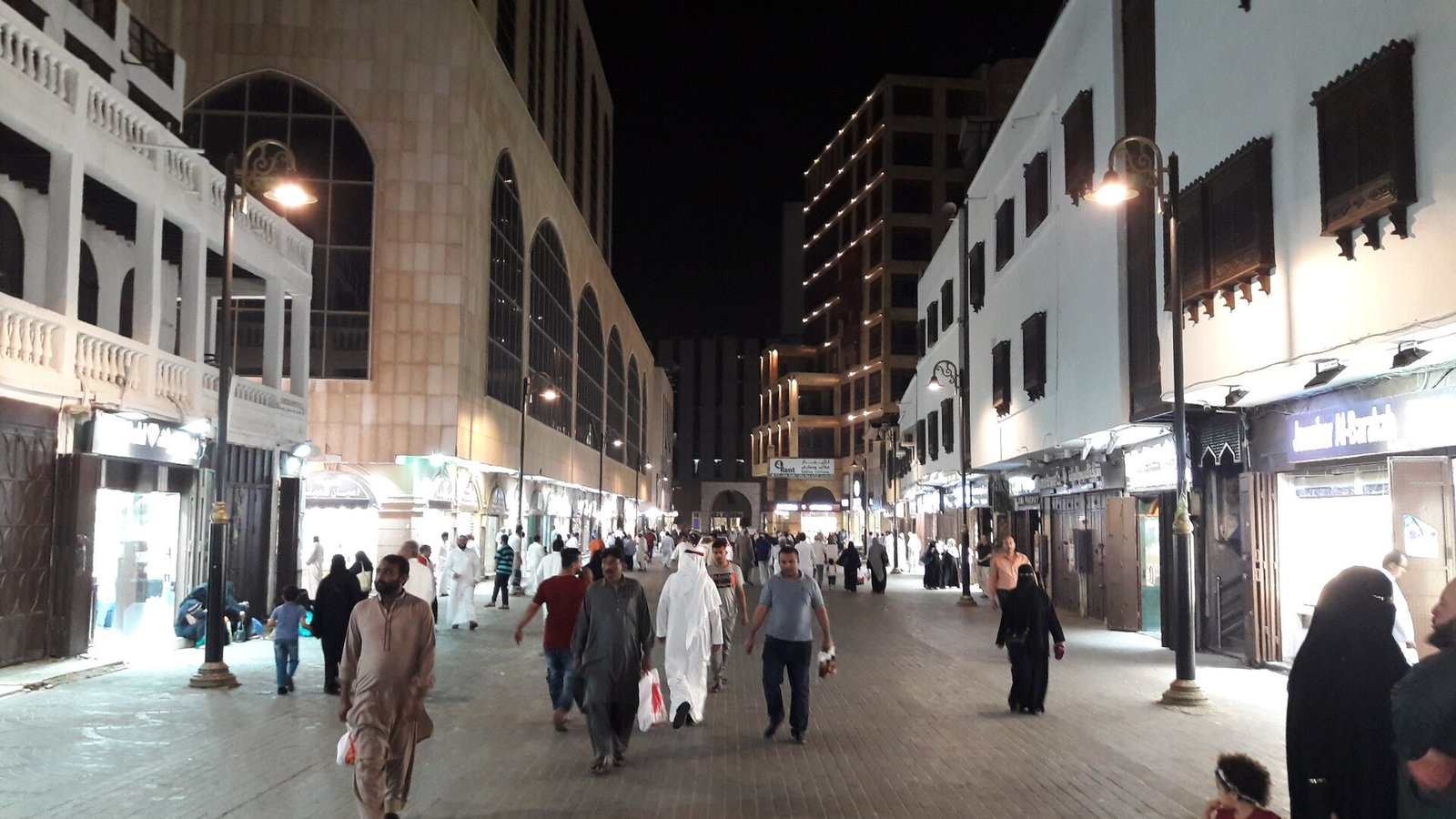
That spirit is still here. Al-Balad now welcomes visitors from everywhere, and in some years official Ramadan programmes are organised there, but the essence remains the same: people walking the lanes, street food cooked in front of you, vendors calling out, and a warm family atmosphere. That’s what makes Ramadan in Al-Balad unlike any other event in the city.
Ramadan in Jeddah’s Memory
Sit with older Jeddawis and ask about Ramadan in the old days, and you’ll hear stories repeated with different details: the musaharati who walked the quarters before dawn calling people by name to wake for suhoor; the call to prayer drifting from nearby minarets before modern loudspeakers; children wandering the lanes with lanterns; neighbours exchanging plates minutes before sunset so that every family’s table filled with food from other homes.
They also talk about the markaz — the outdoor seating in front of houses or shops where the men of the quarter gathered after taraweeh prayers to chat, drink tea and watch the lane. On those nights the rawasheen were opened to let the breeze in, and the voices and laughter of the houses spilled into the alleys. Many of these customs have changed, but their spirit is still alive, and walking through Al-Balad in Ramadan feels like walking through living memory.
A Ramadan Day in Al-Balad
Daytime: near-total calm
During fasting hours, Al-Balad is very quiet. Many shops open late or stay closed until the afternoon, and the lanes are nearly empty. If you’re a photographer wanting crowd-free architecture shots, a Ramadan morning could work — just don’t expect a lively atmosphere.
Before sunset: preparing for iftar
As sunset approaches, things stir. Foul, tamees and sambusa shops fill with people buying their iftar, vendors call out, and you see people carrying bags of hot bread. This last hour before iftar has a special energy worth experiencing at least once.
After iftar and taraweeh: the heart of it
After iftar and taraweeh prayers, the real nights begin. Lanes fill with families, young people and visitors; stalls and shops open; squares become places to sit and chat. This is when I recommend my guests be there.
Towards suhoor: a beautiful calm
As the night goes on, crowds thin, leaving locals and a few visitors looking for a traditional suhoor meal. It’s quieter and more local — ideal if you don’t like crowds.
What to Eat on Ramadan Nights
Hejazi cuisine shows its full strength in Ramadan. Here’s what you’ll find in Al-Balad’s lanes:
- Sambusa: crisp pastries filled with meat, cheese or vegetables — on almost every stall.
- Yaghmash: fried filled pastries, a distinctive Hejazi Ramadan snack.
- Balila: hot boiled chickpeas with cumin and vinegar or lemon — simple and hugely popular.
- Kibda: pan-fried liver with onion and peppers, eaten with bread.
- Mutabbaq: cooked on the griddle in front of you, with meat, egg and leek.
- Foul and tamees: for suhoor or iftar — the queue at the bakery is part of the scene.
- Sobia: the cold Hejazi Ramadan drink, usually made from barley or soaked bread with sugar and spices.
- Sweets: laddu, mushabbak, qatayef and other seasonal treats.
Tip: don’t eat too much at the first stall! Spread your tastings through the walk and save room for a cup of sobia at the end.
The Souqs in Ramadan
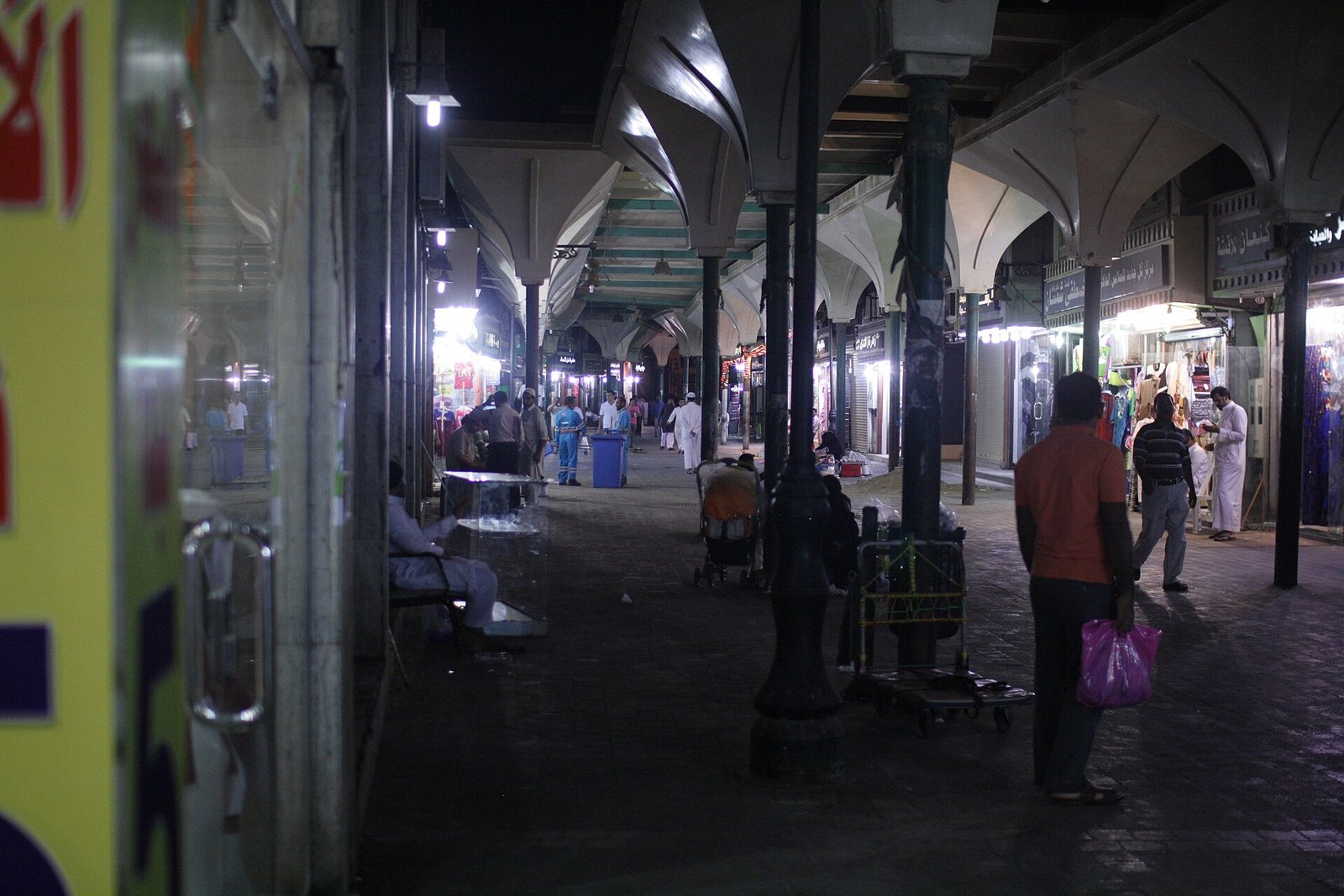
Al-Balad’s markets, such as Souq Al-Alawi and Bab Makkah, are extremely busy in Ramadan, especially in the last ten nights as people prepare for Eid. You’ll find clothing, fabrics, perfumes, incense, sweets, dates and gifts, all displayed in a festive mood. If you’re looking for traditional gifts or Eid outfits, Ramadan nights in Al-Balad are among the best times to shop — if you can handle the crowds.
Historic Mosques in Ramadan
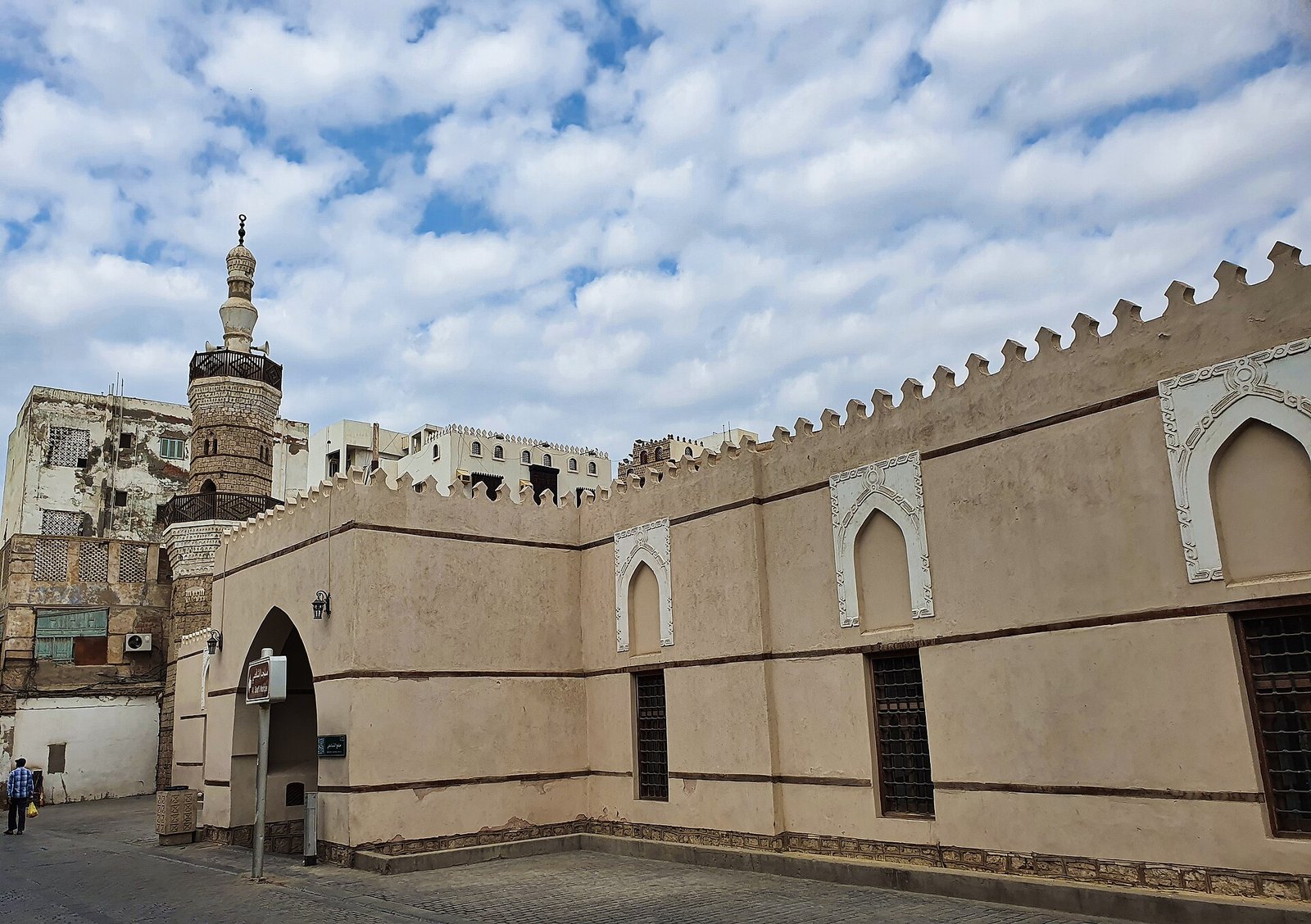
Al-Balad’s historic mosques — Al-Shafi’i, Al-Mi’mar and Al-Hanafi — take on a special presence in Ramadan. Taraweeh prayers in these ancient mosques are a moving spiritual experience for Muslims, and the call to prayer echoing between the old houses is part of the place’s memory. If you’re not Muslim, respect prayer times, avoid photographing near worshippers, and keep a respectful distance from mosque entrances during prayers.
Essential Etiquette for Visitors
- Don’t eat or drink in public during the day: out of respect for those fasting, even if you’re not.
- Dress modestly: always expected, and even more so in Ramadan.
- Be patient with crowds: lanes are narrow and busy after taraweeh — take it slowly.
- Ask before photographing people: especially families and women.
- Ramadan greetings: say “Ramadan Kareem” or “Ramadan Mubarak”; the usual reply is “Allahu akram.”
- If invited to iftar: don’t refuse! An iftar invitation is one of the finest forms of hospitality, and accepting will delight your hosts.
Best Timing
- For the full atmosphere: from after taraweeh until around midnight.
- For calm and local flavour: after midnight, towards suhoor.
- For photography: just before sunset for movement, and after isha for night lighting and lanterns.
- For shopping: the last ten nights, with bigger crowds.
- For families with children: early in the evening after iftar, before the crowds peak.
Remember that Ramadan moves each year with the Hijri calendar, so it may fall in pleasant winter or hot summer. If it’s summer, humidity lingers into the night, so carry water and wear light clothes.
Practical Tips
- Parking: very difficult around Al-Balad on Ramadan nights. Use ride-hailing apps and get dropped at a main entrance.
- Payment: most stalls accept cards, but carry a little cash.
- Shoes: comfortable ones for uneven, crowded paving.
- Phone: bring a power bank — you’ll take lots of photos.
- Meeting point: if you’re in a group, agree a clear meeting point like Nassif House square; it’s easy to get separated.
- Events: some years feature organised Ramadan programmes in Al-Balad, so check official Historic Jeddah accounts for dates and routes before you go.
A Suggested Ramadan Night Route
- After taraweeh: enter from the Bab Makkah side and stroll the market with your first sambusa.
- Souq Al-Alawi: continue among perfume, sweet and fabric shops.
- Break: sit at a traditional spot for tea or sobia.
- Nassif House square: a souvenir photo with the lit façade.
- Side lanes: step off the main route to see the quarters quietly.
- Finish: mutabbaq or foul and tamees as an early suhoor before leaving.
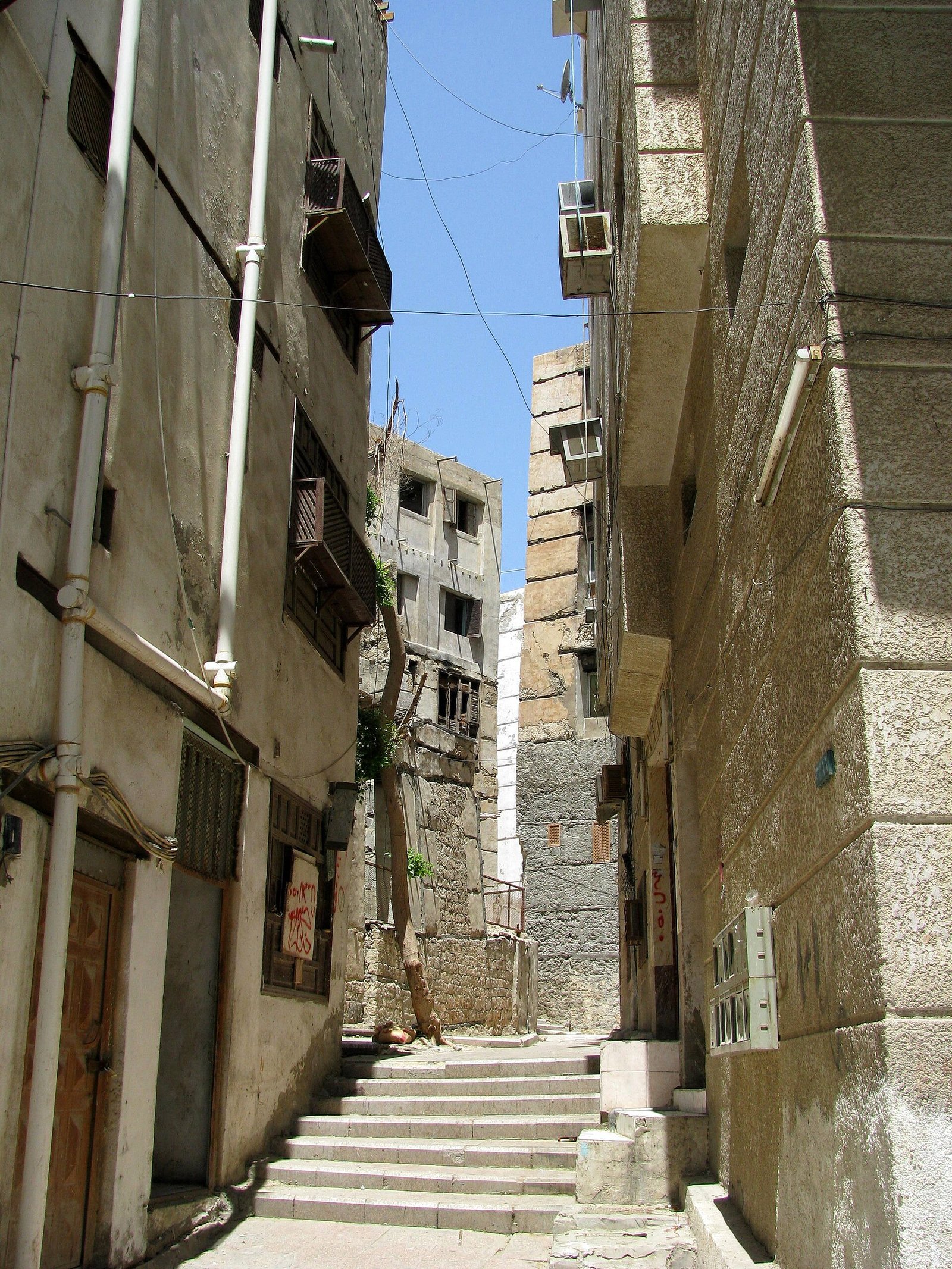
Photo Ideas for Ramadan Nights
- Lanterns and lighting: lit façades and hanging lanterns make warm night shots; phone night mode is usually enough.
- Cooks’ hands: photograph the mutabbaq maker stretching dough or the sambusa seller turning pastries in oil — after asking.
- Movement: try a slightly slower shutter to turn crowds into light trails around a still house.
- Colour: stalls of sweets, dates and nuts are full of colour for detail shots.
- Minarets at night: a lit minaret between two old houses is one of the finest Ramadan frames.
Always remember that people here are living their Ramadan, not performing in a show — ask, be light-footed, and don’t interrupt anyone’s moment.
Ramadan in Al-Balad for Non-Muslim Visitors
Many of my guests from abroad, including non-Muslims, ask whether Ramadan suits them. The answer is yes — it may even be one of the best times to understand local culture. The night atmosphere is open to everyone, and people welcome visitors warmly. Just follow daytime etiquette and respect prayer times, and you’ll find a big welcome — perhaps even an iftar invitation you weren’t expecting.
A Ramadan Experience With a Guide
Ramadan nights in Al-Balad are crowded and full of detail, and it’s easy to get lost in the lanes or miss the best spots. On my Historic Jeddah tour, I plan an evening route through Al-Balad’s best Ramadan stops, with tastings of authentic Ramadan dishes and stories about how Jeddawis have lived this month. If you’d like to start by the sea before iftar and move to Al-Balad afterwards, the full Jeddah city tour can be adapted to Ramadan timing. For Al-Balad after dark the rest of the year, read my Al-Balad at night guide.
FAQ
When does Al-Balad get lively during Ramadan?
It starts just before sunset and peaks after taraweeh prayers until around midnight.
Are shops open during the day in Ramadan?
Some open late, and many close until the afternoon or sunset. Most commercial activity happens at night.
What are Jeddah’s most famous Ramadan foods?
Sambusa, yaghmash, balila, kibda, mutabbaq, foul and tamees, and the drink sobia.
Can non-Muslims visit Al-Balad in Ramadan?
Yes — just don’t eat or drink in public during the day, and respect prayer times.
Do I need to book a Ramadan tour in advance?
It’s best to book a few days ahead, especially in the last ten nights and on weekends, when demand rises sharply.
Do children enjoy Ramadan nights in Al-Balad?
Very much, especially early in the evening before the biggest crowds — just keep an eye on them in busy lanes.
The Takeaway
Ramadan in Historic Jeddah is an experience you won’t find anywhere else: a centuries-old district waking every night to vendors’ calls, the aroma of Hejazi food and families walking beneath the rawasheen. If your visit coincides with this month, give at least one night to Al-Balad, put your phone down for a while, and live the moment as Jeddawis have for generations. And if it’s your first Ramadan in Jeddah, don’t try to see everything in one night — split it over two or three: one for food, one for the souqs, and one for a quiet walk towards suhoor. Each night reveals a different side of Al-Balad, and you’ll understand why Jeddawis long for Ramadan in their old quarters, however far they’ve moved away.
Book Your Ramadan Night in Al-Balad
I’m Adel Alsulami, a licensed tour guide in Jeddah with more than eight years of experience. I’d be glad to walk you through a Ramadan night in Historic Jeddah.
📞 Call & WhatsApp: +966 50 444 6088 (WhatsApp)
✉️ Email: Adel@iAdelAlsulami.com
👉 Book your tour now
Planning a visit? Meet Adel Alsulami, your licensed Jeddah tour guide and discuss a private itinerary around your interests.