Traditional Breakfast in Jeddah: Ful, Tamees, Masoub and Mutabbaq
A Jeddah morning might begin with ful and hot bread, a filled mutabbaq or a shared plate of masoub. Understanding the names makes choosing breakfast easier than relying on a menu photograph with unfamiliar ingredients. This guide introduces the dishes and helps organise a meal before your day. It is not a restaurant ranking or a fixed recipe for every kitchen.
Food available in Jeddah reflects traditions beyond the city’s boundaries. Ask what the venue actually serves rather than assuming that a dish name guarantees a uniform size or ingredient list. A modest, planned meal can suit a morning walk better than a large table ordered simply to try everything at once.
Ful and tamees: two parts of the order
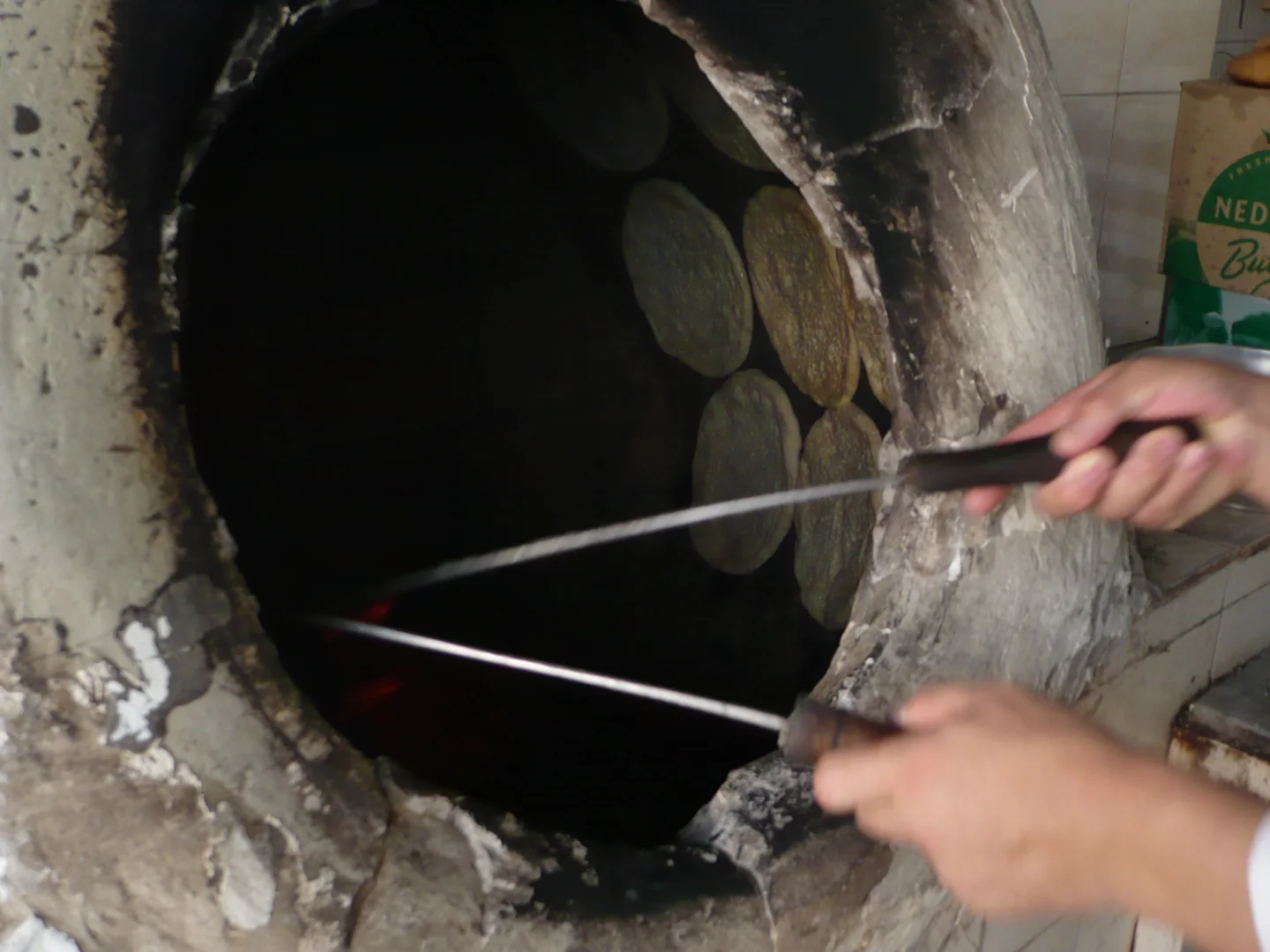
Saudipedia describes tamees as a popular bread served at breakfast and dinner in Saudi Arabia, commonly eaten with ful. Think about the meal as a combination rather than ordering bread in isolation. Ask whether bread is included or bought separately, and how much food suits your group.
Tamees varies in thickness and additions such as sesame, black seeds, ghee or cheese. Choose the type you want after checking availability. When ordering ful, ask which toppings and sauces are part of the version being served. Similar names do not guarantee identical preparation.
For a first visit, begin with a limited amount of ful and bread, then add more if needed. Buying several loaves immediately can leave more than you use. If the bakery and dining venue are separate, check how bread reaches your table and whether bringing it into the place where you sit is permitted.
Masoub: ask about banana, bread and additions
Saudipedia describes masoub as crumbled or ground flatbread mixed with banana, with additions that can include honey, butter and cream. Versions differ, so ask about the base and what changes when you order a particular variation. The name alone does not establish sweetness or toppings.
For a first taste, sharing one plate may suit the group better than ordering one each alongside another meal. Request additions separately if the venue can accommodate that and it suits your preferences. Try the base before deciding what else to add; the most elaborate version is not necessary for understanding the dish.
Do not treat masoub and areekah as identical just because they appear on one menu. Saudipedia distinguishes their preparation and ingredients, describing areekah through crumbled brown bread and accompaniments such as dates, date syrup and ghee. Ask the kitchen to explain its actual version rather than choosing solely from a photograph you saw earlier.
Mutabbaq: savoury or sweet filling?
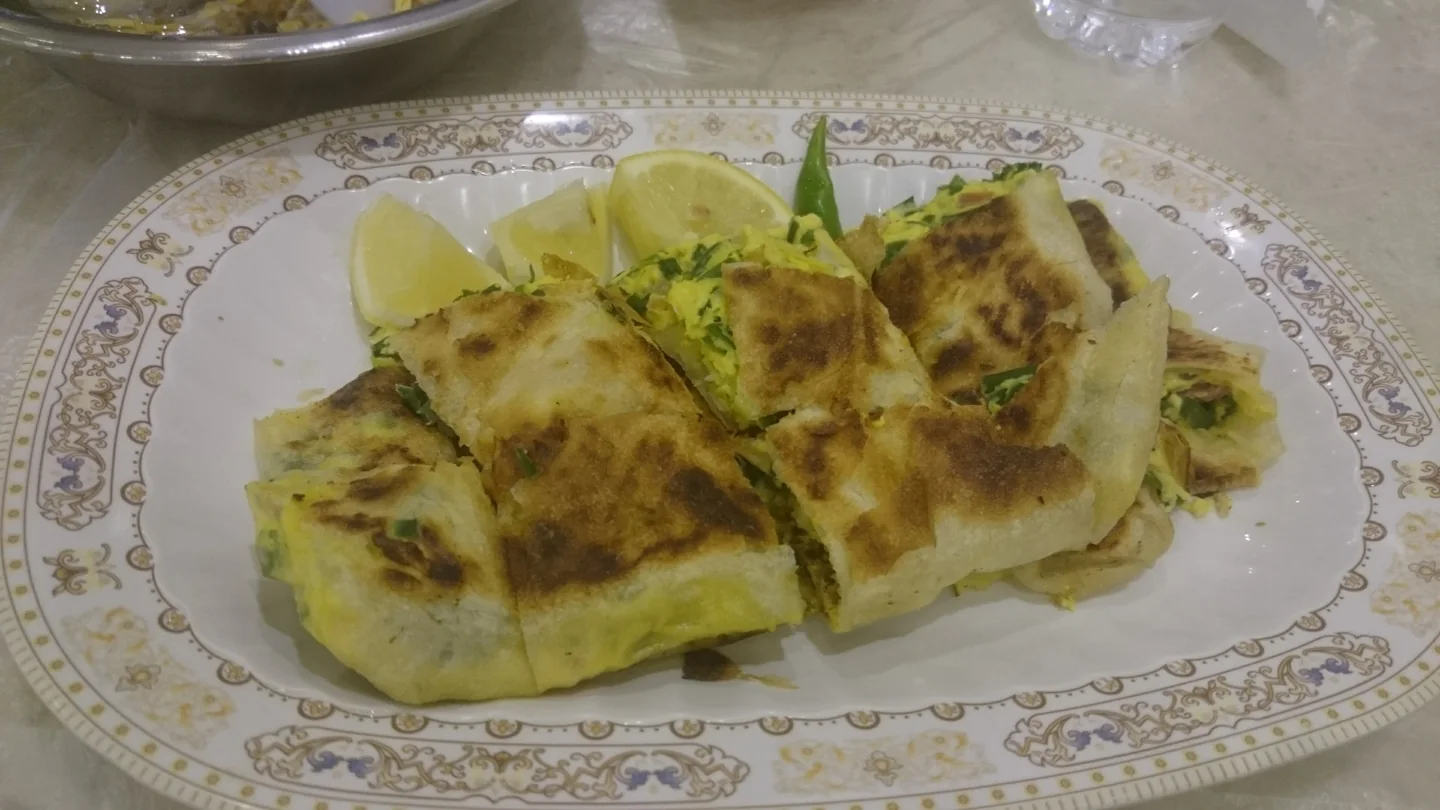
Mutabbaq is filled dough cooked on a griddle, with savoury and sweet varieties. A savoury filling may contain meat, egg and leek, while sweet options can involve banana, cheese or cream, depending on the menu. Specify the filling: asking only for mutabbaq may not communicate the version you expect.
A group can begin with one type and try a contrasting second option if wanted. Ask for suitable cutting for sharing where available, and wait for the order before deciding on extra portions. Visible vegetables do not establish that the filling has no meat or egg; confirm with the kitchen.
Three ways to organise breakfast
Before an early walking tour
Choose a dish you know you enjoy and an amount that suits you, with your usual drink. Leave additional tastings for another occasion. Allow time to pay and reach the meeting point before the tour. Testing an unfamiliar venue a few minutes before meeting the guide can delay the group.
A relaxed food-focused morning
Begin with shared ful and bread, then decide whether to add mutabbaq or masoub. The aim is to understand the differences, not collect the maximum number of dishes. Give each order time to be tasted and ask about its name and serving style. For a larger group, discuss the arrangement of plates and orders before food arrives.
A family with different preferences
Let each person say whether they want savoury or sweet food, then combine similar orders where practical. Do not assume children will enjoy the adult favourite. Request a simple explanation of fillings and toppings, and keep a familiar option for someone who does not want a new food that morning.
Questions before ordering
- What is in the basic dish, and which additions change it?
- Are bread and drinks included or ordered separately?
- How large is the portion, and are different sizes available?
- Is it served at a table or for takeaway, and what is the current wait?
- Can additions and shared portions be arranged as the group wants?
Confirm important dietary requirements directly with the food provider, including preparation where relevant. A brief menu translation is not a substitute for asking. General descriptions here cannot establish the ingredients in an individual meal.
Choose breakfast around your route
For an Al-Balad tour, look for a food stop from which you can reach the meeting point without a long transfer. The Historic Jeddah guide lists Ful Fattah, and Visit Saudi includes Forn Al Sheikh among the district’s food options. Check current arrangements rather than relying on an opening time saved from an old announcement. The Al-Balad restaurant selection guide compares different kinds of stops.
If you stay farther away and begin at the waterfront or another district, breakfast near your hotel may be more practical. Try an Al-Balad breakfast on a day set aside for that area instead of spending the morning travelling before the main activity. Let the place serve your day, and adjust the meal around other food experiences you have planned.
Coffee is an option, not a requirement
Choose coffee, tea or another suitable drink, and ask about type, size and additions. You may prefer to finish breakfast and take coffee at a later break. The local-food guide can help spread tastings across different days rather than putting them all into one morning.
Frequently asked questions
Are these foods served in the morning at every restaurant?
No. Menus and preparation times vary. Check with the venue selected for your visit date.
Is tamees one standard product?
Types and additions differ. Ask what is available rather than relying on the general name.
Do I need several dishes for a traditional breakfast?
A simple order is enough to begin. Add more when needed; understanding and enjoyment matter more than the number of items.
Arrange a walk after breakfast: send your time, guest count and interests through the tour booking page. Explain whether you want a food stop and confirm any separate costs.
Sources and featured-image credit
Saudipedia: tamees, masoub and areekah, and mutabbaq (Arabic references). Venue research: Ful Fattah and Forn Al Sheikh. Featured image: mutabbaq, AhmadElq, 25 October 2017, source, CC BY-SA 4.0; resized and compressed to WebP. Photographs illustrate foods rather than review meals at named restaurants.
Book the Historic Jeddah (Al-Balad) tour with Adel Alsulami — 2–4 hours, SAR 500 · Contact Adel to book or ask a question
Planning a visit? Meet Adel Alsulami, your licensed Jeddah tour guide and discuss a private itinerary around your interests.