Hijazi Food Culture in Jeddah: Port, Seasons and the Family Table
To understand Hijazi food culture in Jeddah, look at what surrounds the dish: a city receiving traders and pilgrims, a market connected to neighbourhood life, and a household whose recipe differs from the next. You do not need to eat a long list of foods to appreciate that context. A thoughtful question about a meal’s name or occasion can open a richer conversation than moving quickly between many dishes.
This guide is about meaning and context, helping you listen and visit respectfully. For dish definitions, use the Jeddah local food guide. For arranging a meal during a walk, see the Al-Balad restaurants guide.
A port city and gateway for pilgrims
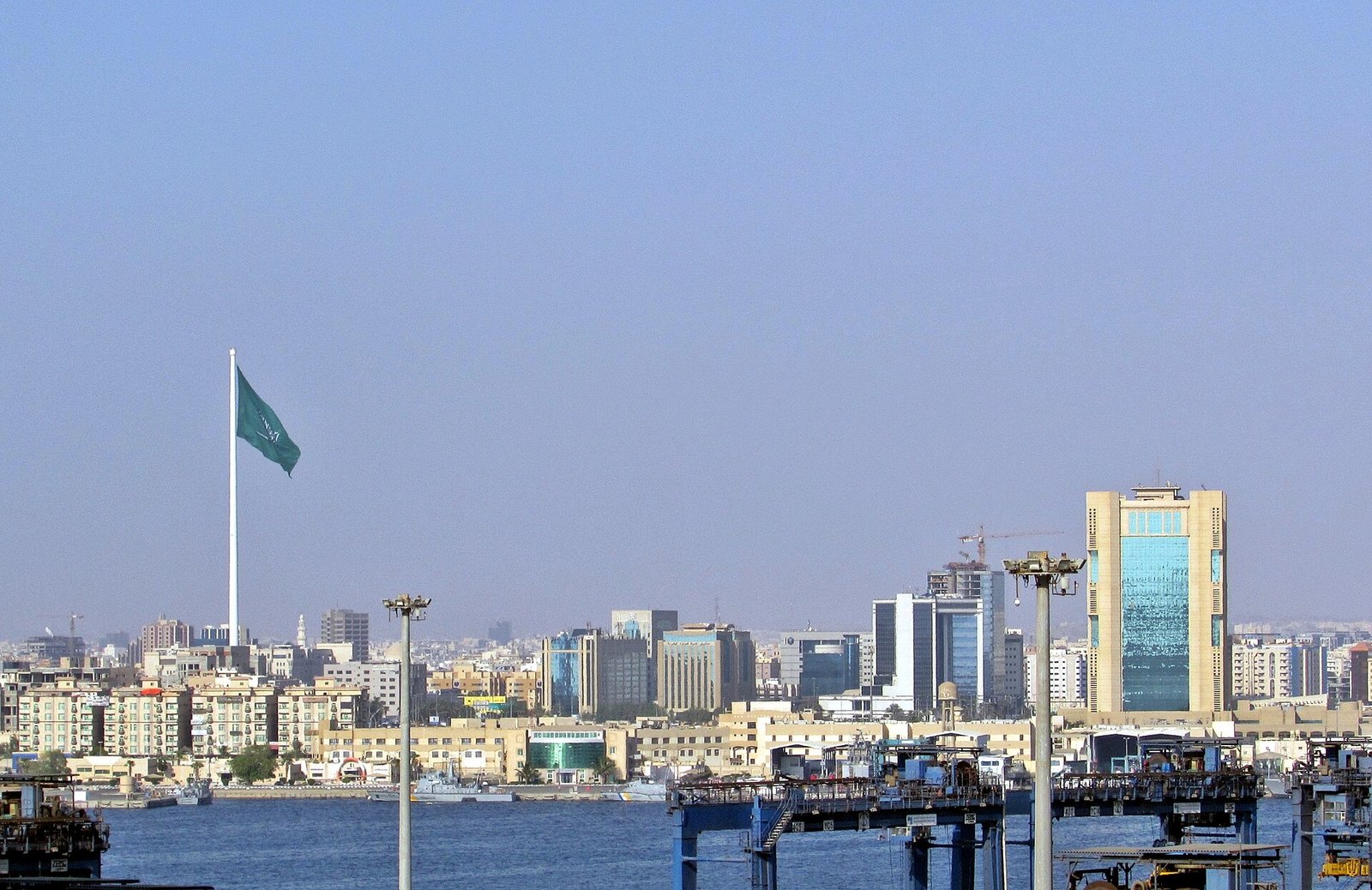
UNESCO describes Historic Jeddah as an environment shaped by trade, pilgrimage and cultural exchange across the Red Sea and Indian Ocean routes. That background helps explain why the city’s identity cannot be reduced to a single influence. Establishing the origin of a particular recipe or the arrival date of an ingredient, however, requires evidence specific to that claim. Similar dish names alone do not demonstrate how a recipe travelled.
Saudipedia describes food in the Makkah Region as a mixture of local and regional traditions, in an area where religious significance and trade supported the meeting of culinary cultures. It is reasonable to speak of a Hijazi kitchen with wide connections while respecting differences between Jeddah, Makkah, Madinah and individual homes. A dish enjoyed in Jeddah may also belong to everyday life in other cities and regions.
Read a dish name without inventing an origin story
When a name sounds familiar from another country, ask about the version in front of you. What does this cook do differently with seasoning, texture or presentation? Similarity can begin a useful comparison, but it does not establish one version as the original and every other version as imitation. A modern commercial name is not, on its own, a historical record.
Keep three questions separate: where is the dish eaten today, how does this household or restaurant make it, and what sources document its history? A host can explain their experience and recipe, while a broader origin story needs independent research. Enjoy a family account as a family account. If you share it later, attribute it to the person who told you rather than turning it into a rule about the entire city.
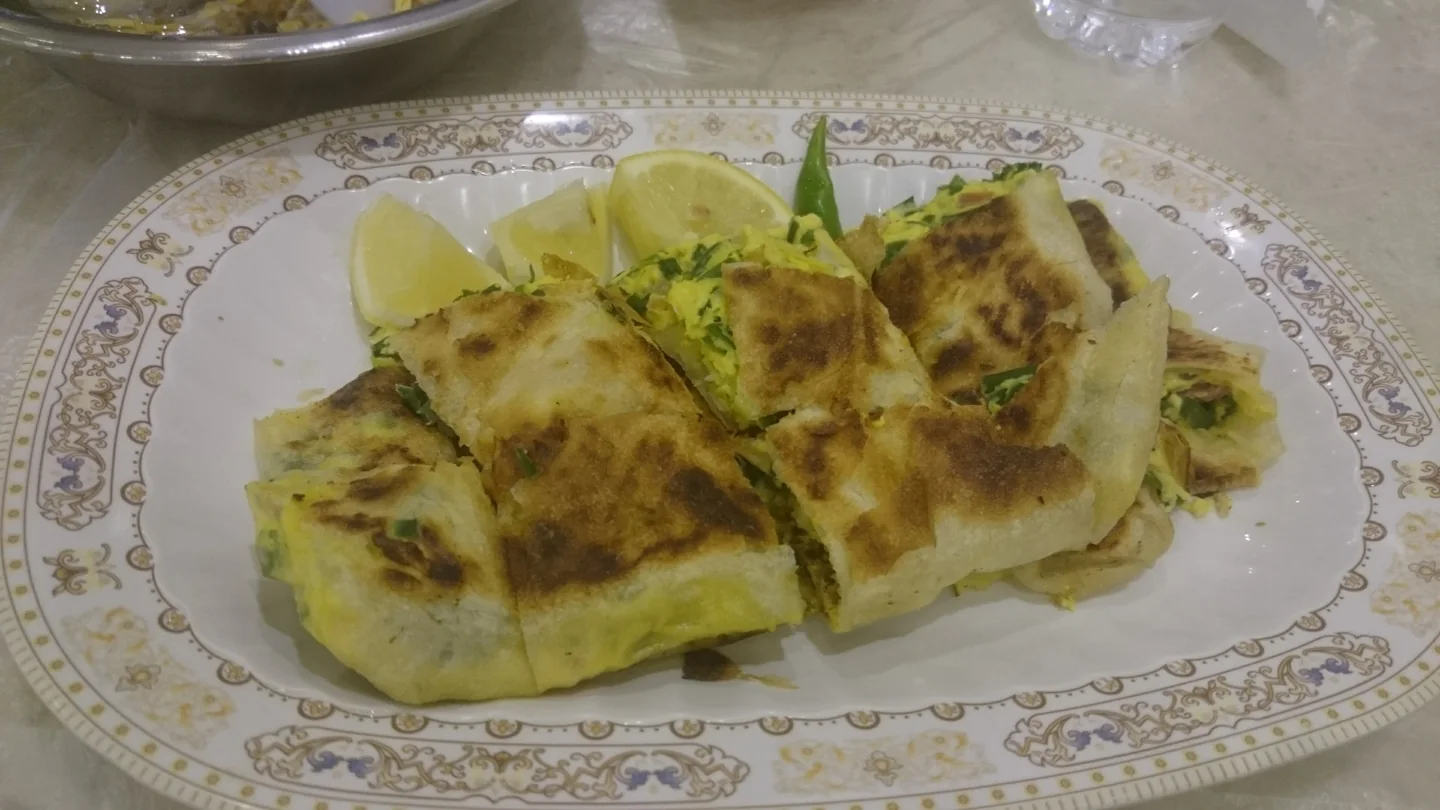
The market belongs to the food story
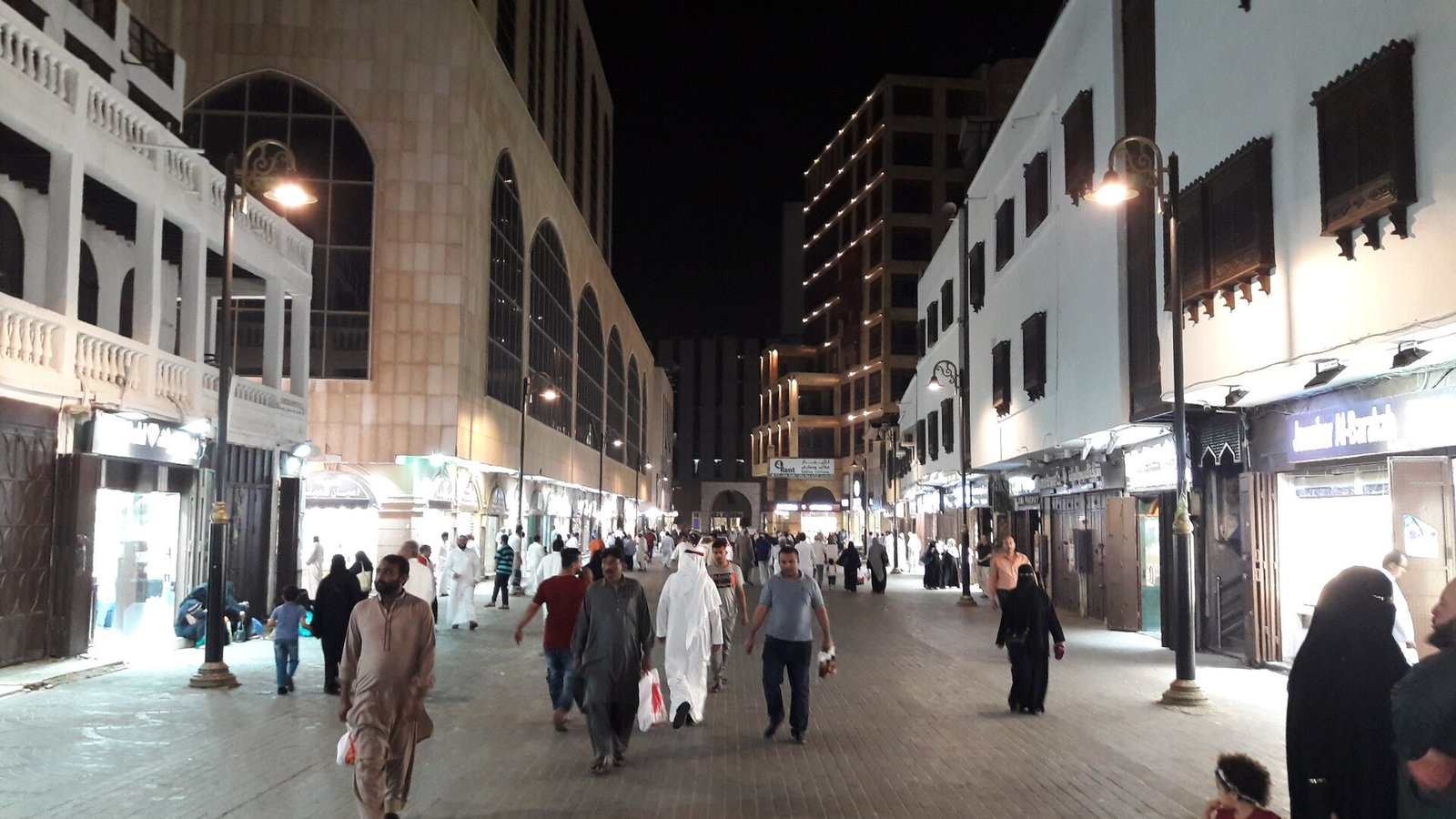
On an Al-Balad walk, notice the relationship between shops, movement through the streets and places where people pause. A useful question is not only which food is famous, but how a particular business fits into the neighbourhood’s day. Ask what customers buy for ordinary use or for occasions, and what is prepared on site rather than arriving ready-made from somewhere else.
When staff are busy, keep questions short and wait for a better moment. A shopkeeper is working and is not obliged to provide a long explanation or a cooking demonstration for every visitor. Ask before photographing hands, tools or faces, and keep out of the service area while composing a picture. Respecting the work makes the encounter more comfortable for everyone.
The family table: shared customs and individual preferences
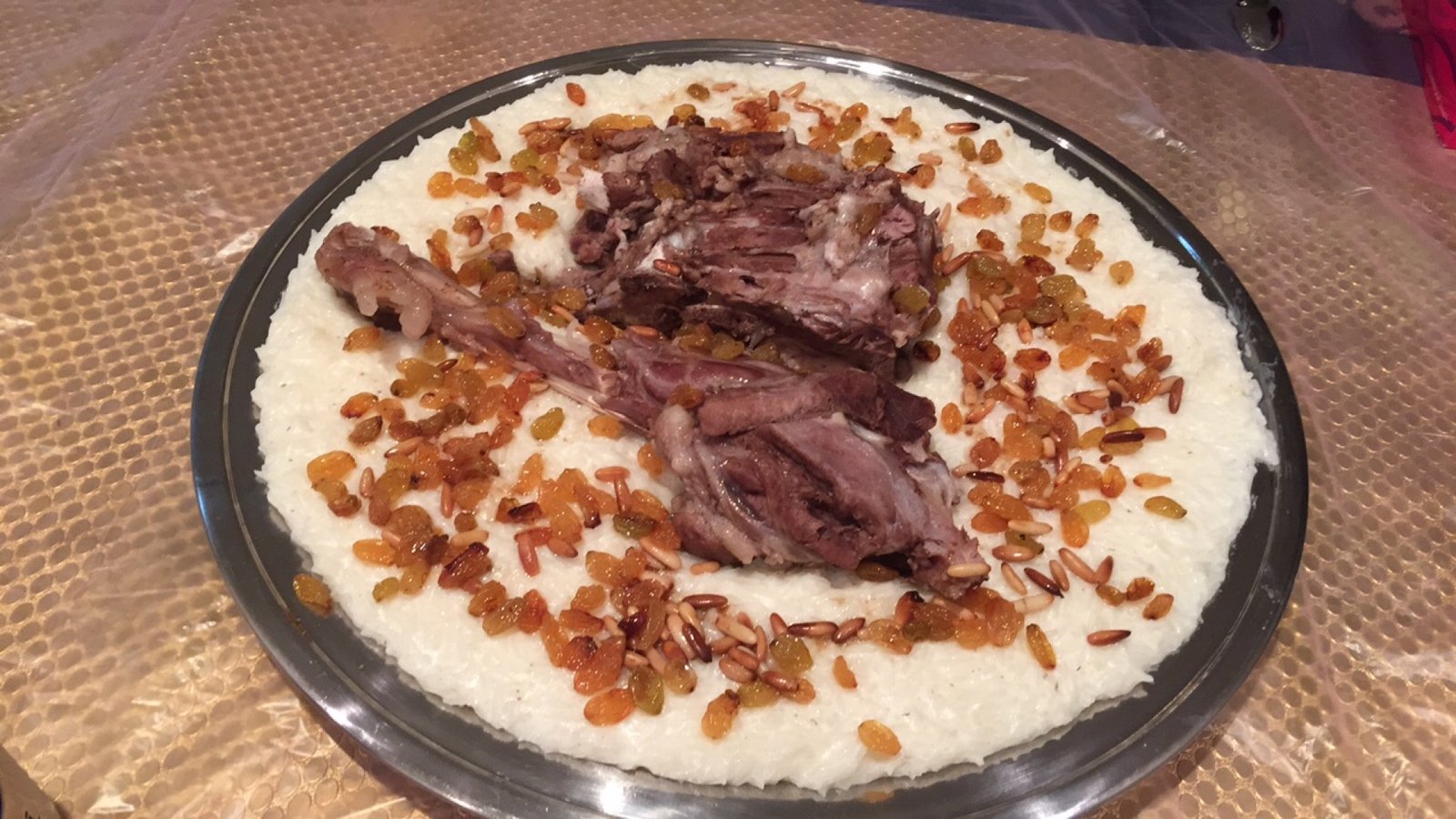
Saudipedia includes gathering around a shared dish and eating with the right hand among traditional Saudi eating practices. That describes a custom rather than every meal in contemporary Jeddah. Tables, chairs, individual plates and different forms of service also exist. Ask your host what works in their setting, and request cutlery if you prefer. The meal need not become a test of cultural belonging.
If invited to a meal, establish the time and who is included before attending, and tell the host what they need to know to arrange the food. An invitation does not automatically extend to extra guests or permission to photograph the home. Let the host decide what they wish to share about family members and recipes; some details belong to the household’s private life.
Sharing does not mean everyone wants the same quantity or spice level. You can accept a small amount or decline a dish politely. If writing about the visit later, avoid presenting one person’s preference as what all Jeddawis do. “Our host served” or “at this venue” is more precise, with permission before publishing names or personal photographs.
Seasons change a meal’s meaning
Some foods carry associations with the time they are served. Saudipedia documents dibyazah on the Eid al-Fitr breakfast table in old Jeddah, within a family gathering after Eid prayer. Knowing the occasion gives the name a wider meaning. It does not establish that every family serves the same sweet, or that every shop stocks it throughout the year.
Before organising a seasonal visit, check the occasion’s date, opening hours and announced events for the year you are travelling. Ramadan or Eid photographs from a previous year do not prove that the same stalls and activities will be present on your date. You can discuss traditions during an ordinary walk without claiming to attend the occasion itself or to enter a private family celebration.
Inherited recipes and contemporary cooking
The Culinary Arts Commission’s Our Culinary Heritage initiative connects preserving recipes with the culture and environment of the people preparing them. It offers a useful perspective: recording a recipe includes who makes it, how they learned it and when it is served, alongside ingredients. Two family accounts can differ without either being false; they may describe different homes or occasions.
At a contemporary restaurant, ask what the chef has retained and what has been reinterpreted. A different portion size, plate or service style does not by itself explain the food’s cultural value. Listen to the venue’s explanation, then describe what you actually tasted. Words such as traditional and modern become more useful when you explain what you mean by them instead of using them as final judgements about every cook and guest.
Questions that open a better conversation
- In your experience, is this an everyday food or connected to an occasion?
- Does preparation vary between households or parts of the city?
- Which step did the cook learn from an older relative?
- Has the presentation changed to suit visitors?
- What source would you recommend if I want to read about the story later?
Choose two questions that fit the available time instead of turning a short stop into a long interview. Tell Adel if city history and table customs interest you more than sampling many foods, so the discussion and route can reflect that. Arrange any special meeting or visit explicitly; a general walking tour does not grant automatic entry to homes or kitchens.
Frequently asked questions
Did every Hijazi dish originate in Jeddah?
No. Present-day popularity and a local name do not prove origin. Each historical claim needs its own evidence.
Must I eat by hand to understand the experience?
Follow the host’s approach as comfortably as you can, and ask for utensils when needed. Respect and curiosity matter more than copying an unfamiliar action.
Is a restaurant visit the same as visiting a Hijazi home?
A restaurant provides a commercial service; a home is private. Do not assume household access, photography or a family meeting is part of a booking without an agreement.
Sources and further reading
- UNESCO: Historic Jeddah, the Gate to Makkah.
- Saudipedia: traditional food in the Makkah Region.
- Saudipedia: eating customs in Saudi Arabia.
- Saudipedia: Eid al-Fitr breakfast.
- Culinary Arts Commission: Our Culinary Heritage.
For specific stops, see the Saudi coffee guide and traditional Jeddah breakfast guide. Contact Adel to discuss a walk around your cultural interests.
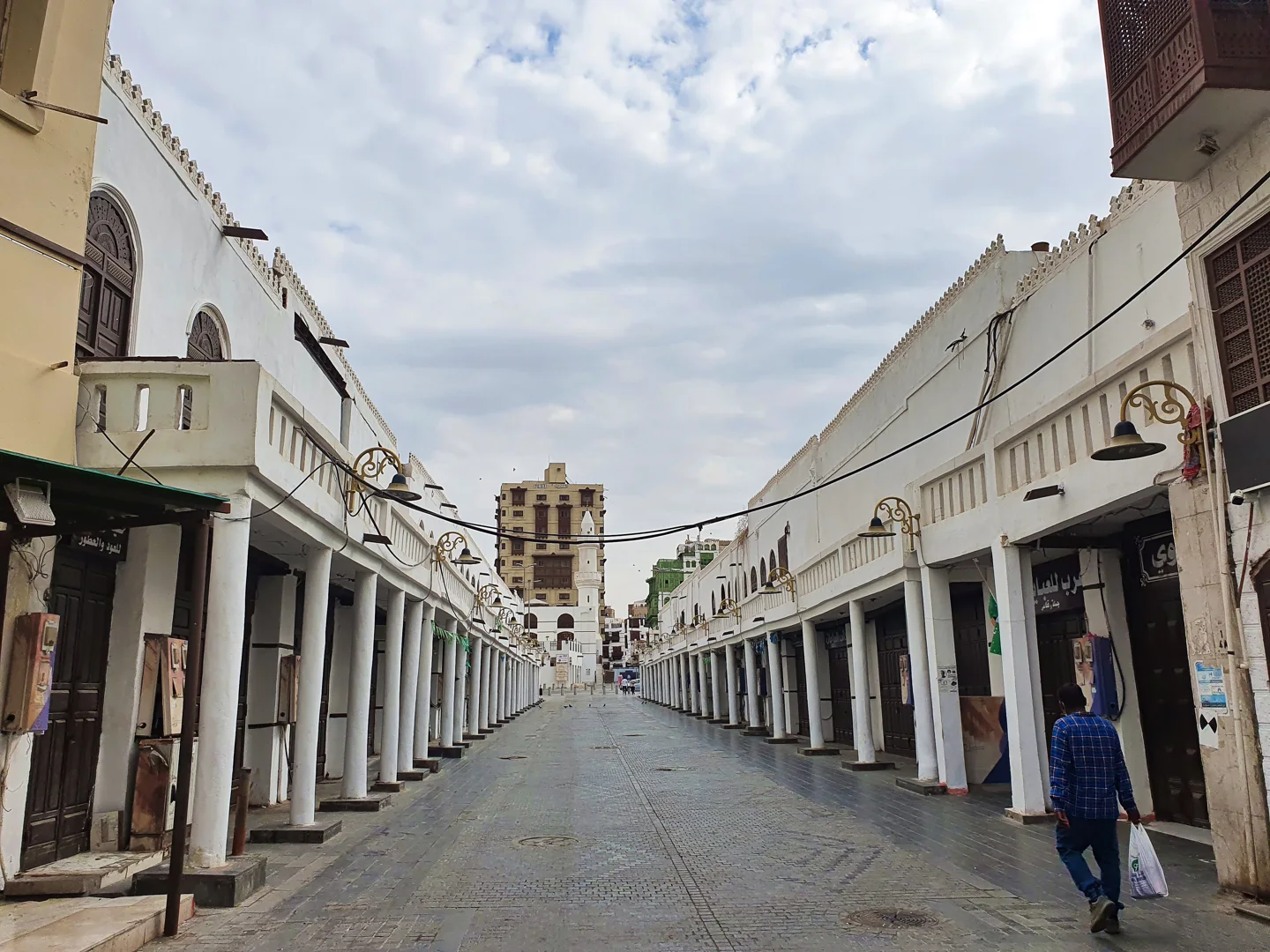
Al-Balad architecture cover photograph: Francisco Anzola / Wikimedia Commons, CC BY 2.0; resized and compressed. City context rather than a restaurant or family table.
Book the Historic Jeddah (Al-Balad) tour with Adel Alsulami — 2–4 hours, SAR 500 · Contact Adel to book or ask a question
Cover: Sayom / Wikimedia Commons, CC BY-SA 4.0.
Planning a visit? Meet Adel Alsulami, your licensed Jeddah tour guide and discuss a private itinerary around your interests.