
At Al-Alawi Souq, between the Al-Mazloum and Al-Yemen quarters, a historic water installation tells a story you could easily miss while looking up at the wooden bay windows. Ain Faraj Yusr, also called Al-Ayn Al-Qawsiyyah, is a stop for anyone curious about how people lived in Jeddah and how a growing port secured drinking water.
From Wadi Al-Qaws to the historic city
Saudipedia’s account of the archaeological site dates its construction to between 1504 and 1509, in the reign of Sultan Qansuh al-Ghuri. It identifies Wadi Al-Qaws, east of the city, as the source of the water brought to the historic district. The installation helped meet everyday demand for drinking water and provide a reserve in difficult periods. When looking at a map, keep the two locations in mind: the water came from outside Jeddah, while the stop on your walk is in the souq.
Who was Faraj Yusr?
The name remembers a Jeddah merchant whom Saudipedia credits with restoring and reopening the installation. The same account describes a nineteenth-century fundraising effort by merchants after a water crisis. The merchant’s name survived alongside a structure whose origins are centuries earlier. The story also explains why a history of the site needs to account for repairs and upkeep as much as the first phase of construction.
What did archaeologists uncover?
Saudipedia describes a structure about eight metres below ground, measuring roughly eight by twelve metres and reached by stairs. In 2015, Jeddah Municipality’s exploration removed fill, traced surviving routes and identified water storage features described as cisterns. The work also recovered archaeological finds and coins. These details refer to the documented remains. What visitors can see below ground depends on the arrangements in place at the time of their visit.
How to include Ain Faraj Yusr on an Al-Balad walk
Open the official Historic Jeddah listing for Ain Faraj Yusr and follow its map link. Using the full name helps distinguish the attraction from the valley that supplied the water. If you are following the Historic Jeddah souqs guide, make this a short stop while crossing Al-Alawi Souq. Follow signs and pedestrian routes on the day. The official listing provides a map, and visitors specifically hoping to see the interior should confirm access with Historic Jeddah before making a separate trip.
What is worth noticing from outside?
Start with the position of the souq between Al-Mazloum and Al-Yemen. Then use the map to picture the direction from which the water travelled. Those two points put the history into everyday terms: how did households share a water supply, and how did people pay for repairs when it failed? Continue to a nearby heritage house and look at the district from both perspectives, the services people relied on and the homes they lived in.
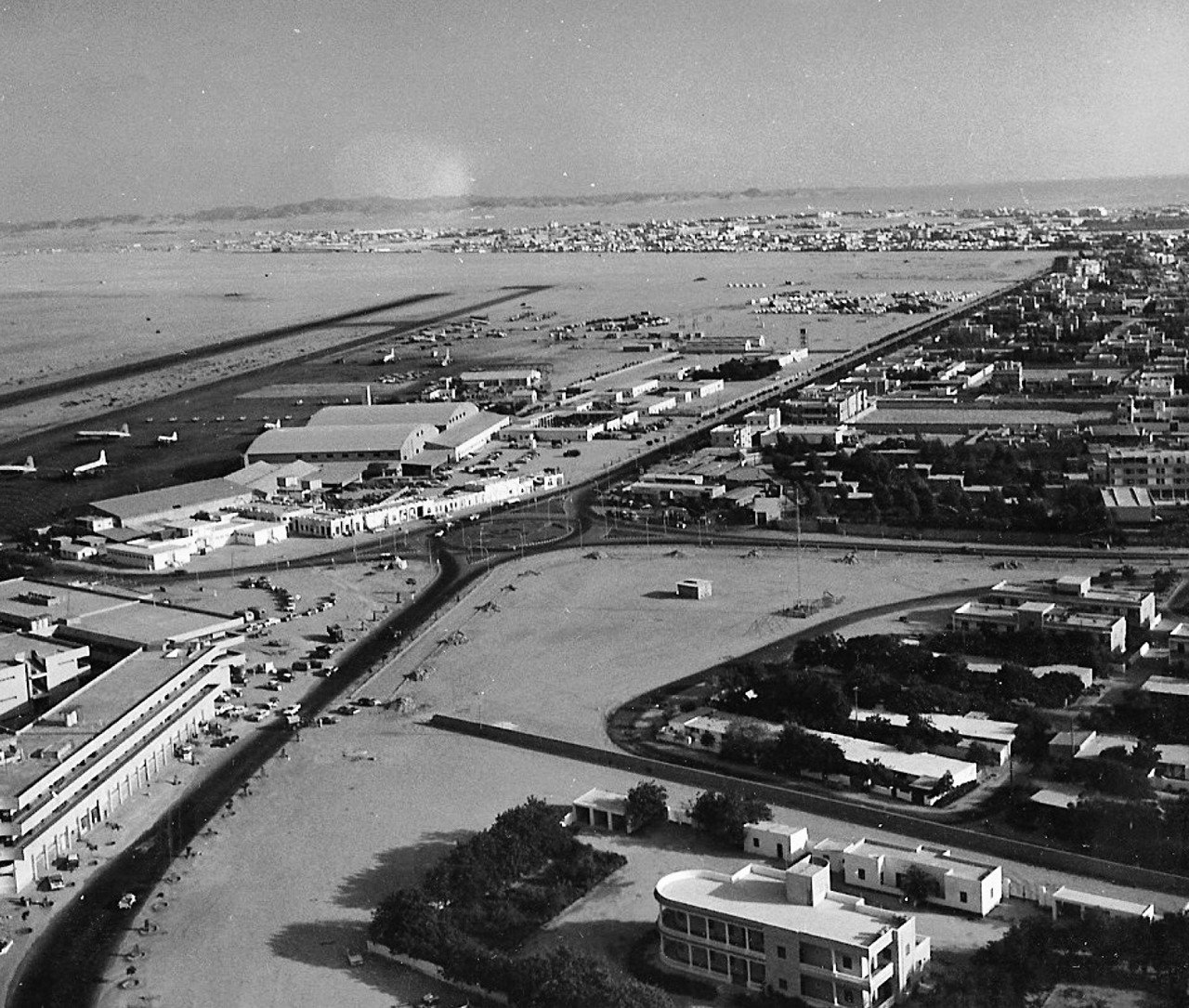
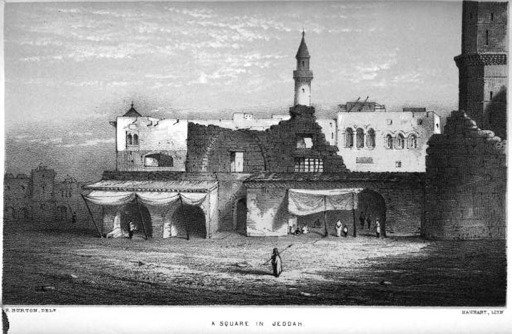
The archival cover photograph shows the surrounding Al-Alawi Souq. Photo by Peter Dowley, CC BY 2.0. Resized and converted to WebP.
Planning a visit? Meet Adel Alsulami, your licensed Jeddah tour guide and discuss a private itinerary around your interests.