Historic Jeddah Visitor Guide: Plan Your First Al-Balad Visit
Al-Balad rewards a little time and attention. A wooden window above a shop, a doorway opening onto a small square, and the movement between markets and mosques can make Historic Jeddah more memorable than a hurried list of photo stops. This guide helps you plan a first visit that combines walking, architecture, photography and a comfortable break. It does not assume every historic building is open or that every lane will be available on your chosen day.
Begin with three decisions: what interests you most, how much walking feels comfortable, and where your visit will start and finish. Choose a few meaningful stops around those answers. If you are comparing guided walking options, the Al-Balad walking tour guide explains useful questions to ask before booking.
Why give Historic Jeddah its own time?
UNESCO describes Historic Jeddah as a trading port and a gateway for pilgrims arriving by sea on their way to Makkah. Those connections helped shape its architecture and cultural life. The district joined the World Heritage List in 2014. Think of the houses, markets and streets as parts of that connected story rather than isolated monuments. The official UNESCO entry provides the historical background.
During your walk, look for questions as well as photographs. How does a shop meet the street? Where might a household have received visitors? What makes a small open space a natural place to pause? A guide can explain what is documented and distinguish it from an appealing but unverified local story. You do not need to memorise a long chronology to begin understanding the neighbourhood.
Before you go: make the practical arrangements
Choose an exact meeting point
“Meet in Al-Balad” is too vague, particularly when people are arriving in different cars. Agree on a named location and share its map pin with your driver and companions. Check whether you are meeting outside the entrance or inside a venue, and whether the place allows a safe drop-off. Save the location before leaving the vehicle and agree how to contact each other if the group separates.
Separate a street walk from an interior visit
Walking past historic facades is a different arrangement from entering a house, exhibition or other managed attraction. If one interior is central to your plans, ask its operator about current opening, reservations and admission before organising the day around it. An old photograph or previous visitor’s review does not establish today’s access. Keep a nearby alternative so that an unavailable stop does not consume the whole visit.
Carry less and plan for the slowest walker
Bring water, a charged phone and shoes you already find comfortable. For an introductory walk, a light camera setup is easier to manage than a full equipment bag. If you are travelling with children or someone who needs regular rests, choose a shorter route at the outset. Adding a stop when everyone feels fresh is easier than shortening an exhausting walk after moving far from the pickup point.
A flexible structure for a first visit
The following is an editorial planning framework, not turn-by-turn navigation or a promise that particular passages are open. Adjust the order to your arrival point, available entrances, restoration work and any event arrangements on the day.
- Start with orientation. Locate your return point and agree on the main purpose of the walk before entering the smaller streets.
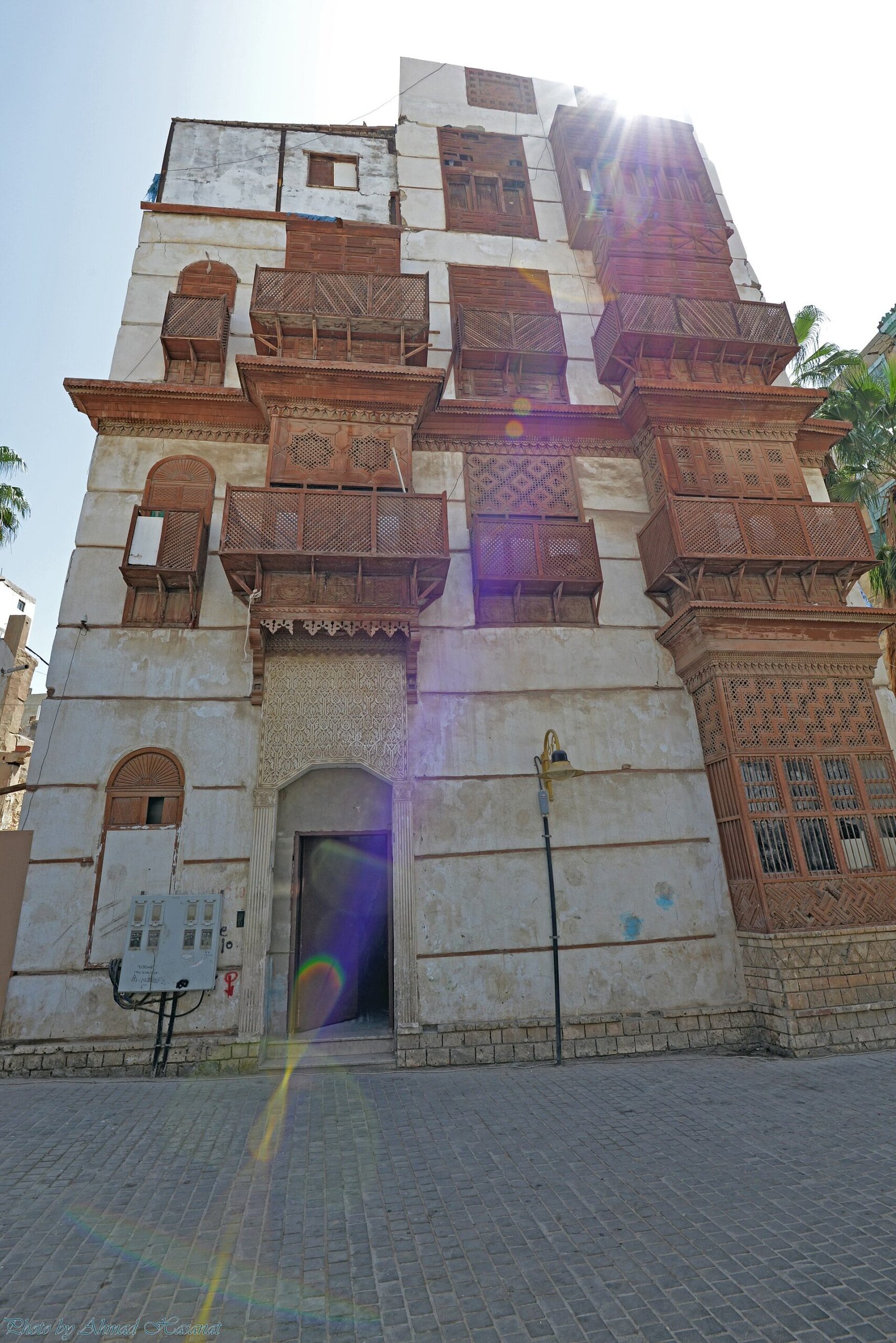
- Study a group of heritage facades. Look at the woodwork, entrances and relationship between upper floors and street level. Pause where your group will not obstruct people.
- Include the exterior of Nassif House. Treat an interior visit as a separate stop requiring confirmed availability.
- Choose a market break. Decide whether you want to browse, taste something or shop. A short break does not need to become a long shopping checklist.
- Finish with a clear exit plan. Allow time to walk back to a point the vehicle can reach, rather than assuming it can collect you from the lane where you happen to stop.
This structure suits an introductory visit. Someone interested in architectural history may prefer fewer stops and more time examining details. If shopping is your priority, leave a separate period after the guided section so choosing purchases does not interrupt the group’s pace. Your route should reflect your interests rather than a target number of sights.
Three themes to notice along the way
Rawasheen and facade details
Compare the size, colour and arrangement of the projecting wooden elements on different facades. Find a safe viewing position before looking up, and avoid touching old woodwork or leaning against damaged sections. Follow barriers and site instructions. You can start observing the architecture without entering a building; the Al-Balad architecture guide offers a related introduction.
Nassif House in its historical setting
Saudipedia connects Nassif House’s historical importance with King Abdulaziz’s stay there in 1925 and describes its Hijazi architectural character. This provides a reason to pause without inventing stories about every room or staircase. Consult Saudipedia’s historical account and confirm access separately if seeing the interior is important to you. The historical source is not a live opening-hours notice.
Markets, mosques and everyday life
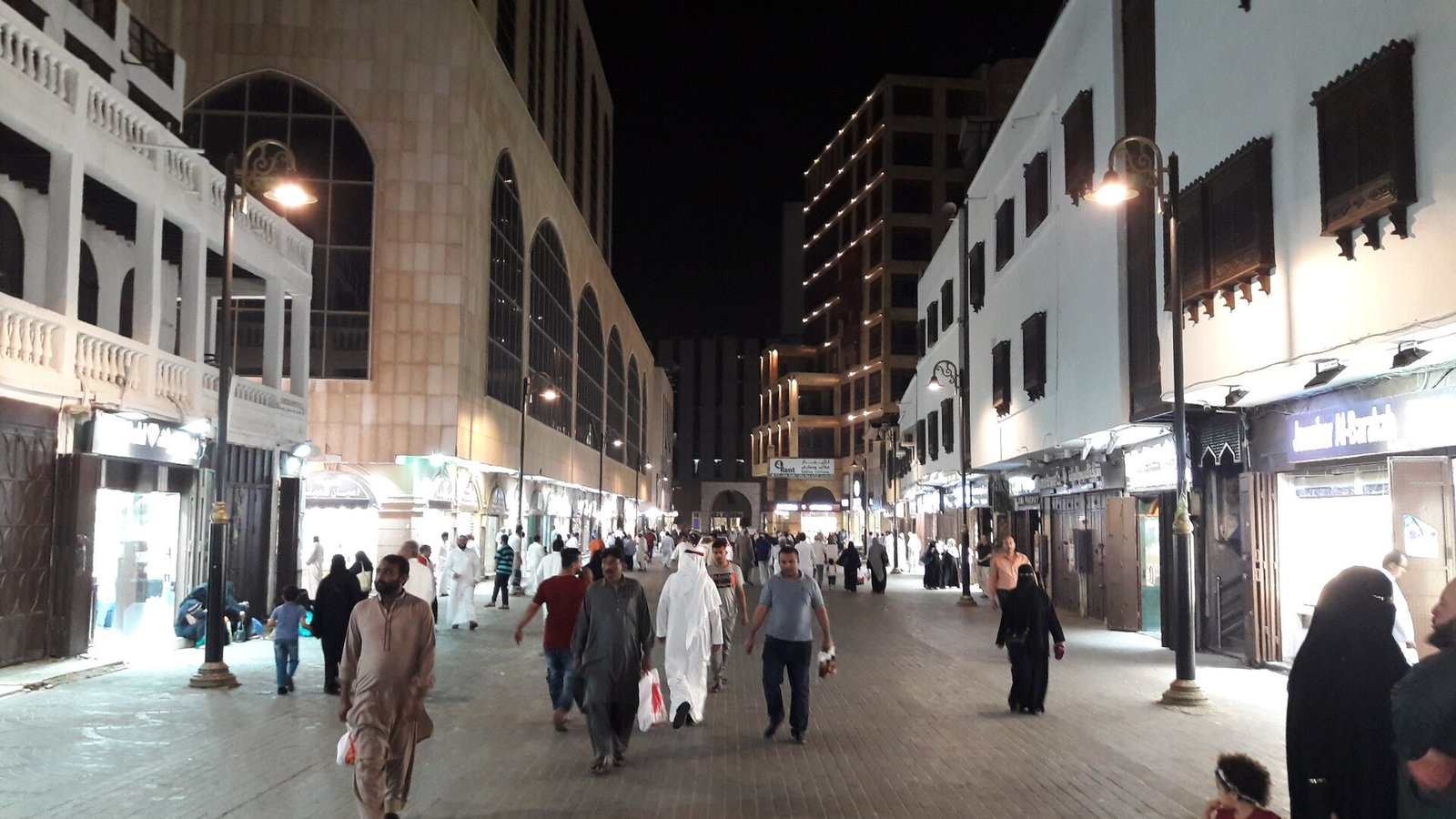
Remember that people work, worship and go about their day here. Leave shop entrances clear, ask before photographing a person or the inside of a business, and follow the instructions at places of worship. Do not assume tourist entry to a mosque is available at every time. The most considerate group is often the one that chooses its stopping place carefully and moves aside before beginning a longer explanation.
Daylight or evening: choose for your purpose
For photography, decide whether you want clear architectural detail or the atmosphere of evening lighting. Starting before sunset and continuing afterwards can be an option when the weather, your energy and local arrangements allow. It is not a guarantee of ideal light in every street: a building’s orientation, shade and passing activity all affect the result.
Do not let a desired photograph dictate an uncomfortable schedule. Check the weather for your actual date and identify a convenient rest stop. If you have another reservation, work backwards from the time you must leave. Avoid adding several last-minute stops simply because they sound interesting. Keeping a little uncommitted time often makes a first visit more enjoyable.
Photography, food and visiting with children
Begin with a wider photograph showing a building’s relationship to the street, then choose one detail. If you want an architectural view without people, wait patiently instead of treating passers-by as an inconvenience. Respect anyone who does not want to appear in your photographs. Do not enter a closed building for a different angle or place equipment across a walkway. A dedicated photography walk may suit you better than trying to fit a long shoot into a family outing.
For food, choose a stop that fits both your appetite and the available time. Check the menu and prices before ordering, and ask about ingredients when you have allergies or dietary requirements. This guide does not guarantee a particular restaurant’s availability or hours. The Jeddah food-tour planning guide can help you decide how much of the visit to devote to eating.
With children, turn observation into a small activity: find three different doors, or choose a favourite architectural detail. Arrange a break before enthusiasm fades. The aim is to help the family notice the place together, not to complete every adult’s preferred stop. For a broader city day, see the family planning guide.
Questions visitors often ask
Can I explore without a guide?
You can plan an independent walk and photography visit. A guide is useful when you want a structured explanation of the history and architecture, or help matching the route to a group’s time and interests.
Does one ticket cover everything?
Do not assume that walking around the district includes entry to every house or exhibition. Check the arrangements for each managed place or experience you choose. This guide does not establish a district-wide admission price or a universal opening schedule.
What if someone needs less walking?
Discuss the drop-off, ground conditions, seating and actual walking distance before booking. A description such as “easy walk” is not enough. This guide does not guarantee wheelchair access throughout the proposed area.
What should I send when requesting a private tour?
Share the date, number of visitors, preferred language, available time, interests and walking limitations. Ask for the meeting point, finish point, price and inclusions, especially transport, admission and food.
Explore Al-Balad with Adel Alsulami
To arrange a visit around your interests, request a private tour with Adel Alsulami, a licensed Saudi tour guide, licence number 40000511. Setting priorities beforehand leaves room for explanations, observation and photographs rather than simply moving between place names.
Sources reviewed: 12 October 2026. Historical background is based on the UNESCO and Saudipedia pages linked above. The route and practical suggestions are editorial planning advice; live opening hours and admission prices have not been confirmed. Featured photograph: Francisco Anzola via Wikimedia Commons, CC BY 2.0; resized and converted to WebP.
Book the Historic Jeddah (Al-Balad) tour with Adel Alsulami — 2–4 hours, SAR 500
Planning a visit? Meet Adel Alsulami, your licensed Jeddah tour guide and discuss a private itinerary around your interests.