Hejazi Crafts and Traditional Dress: From Roshan Woodwork to the Zaboun and Madoura
When you stand before a roshan in Historic Jeddah, you’re not just looking at a window but at handwork by a craftsman who spent days, perhaps weeks, carving it piece by piece. And when you see a Hejazi bride in traditional dress on Founding Day or at a family wedding, you’re seeing centuries of taste, embroidery and memory. Hejazi crafts and dress are the other face of Jeddah’s heritage — the face that doesn’t stand in the streets like the houses, but lives in hands, clothes and celebrations. In this article I introduce the most notable crafts and garments, and where you can see or buy them today.
Why Hejazi Crafts Are Different
Like everything in the Hejaz, its crafts were shaped by the region’s place on pilgrimage and trade routes. Timber came from India and East Africa, fabrics from Asia, the Levant and Egypt, and sometimes craftsmen themselves came from distant lands and settled in Jeddah, Makkah and Madinah. Over time these influences blended with local needs, producing crafts with a distinct Hejazi character: practical for a hot, humid climate, and beautiful, reflecting the taste of an open trading city.
Traditional Crafts
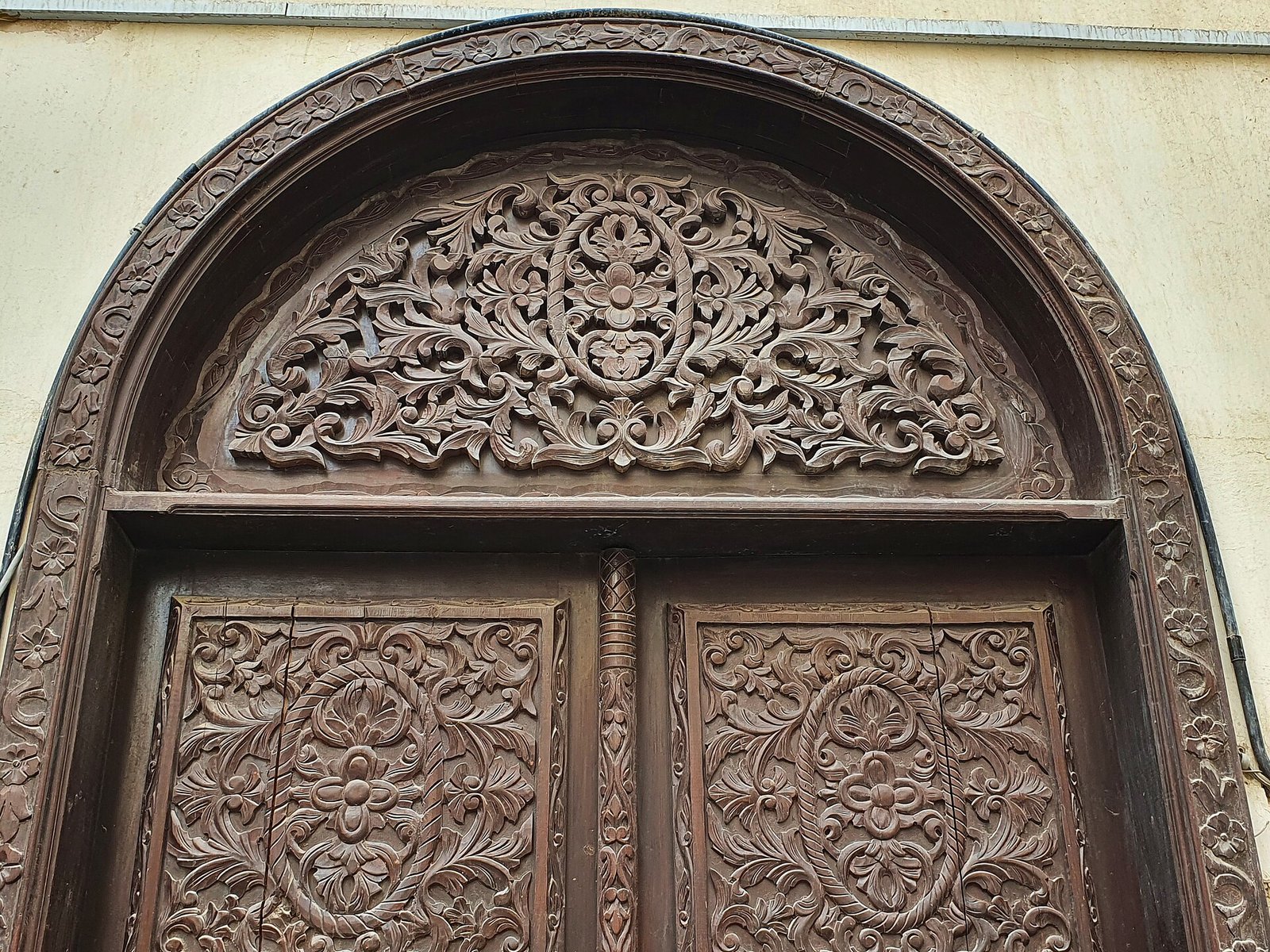
Roshan and door woodwork
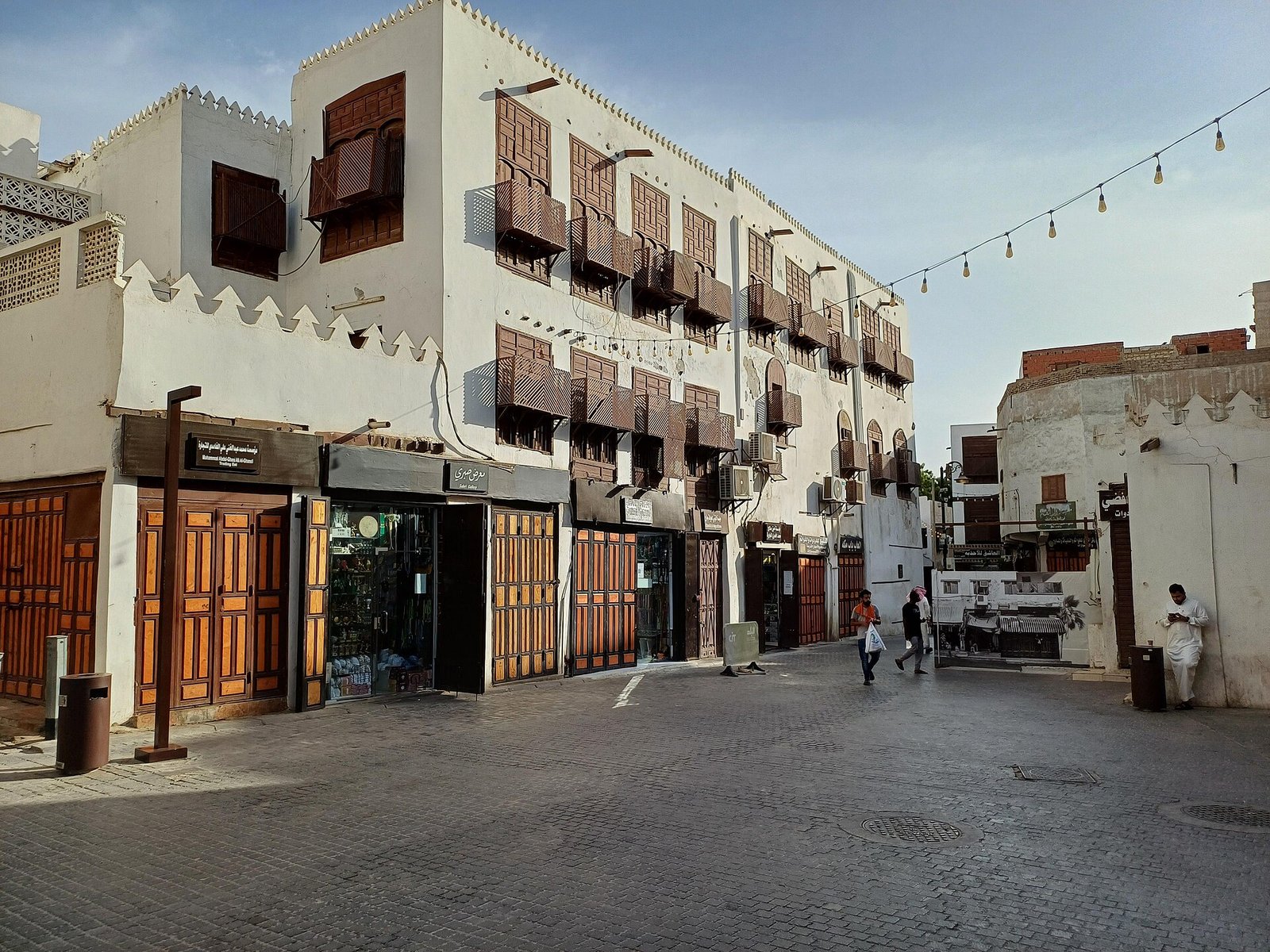
Jeddah’s most famous craft and the one most tied to its identity. Skilled carpenters made rawasheen, mashrabiya screens and great doors from imported timber, carving fine geometric and floral motifs and joining small pieces with traditional interlocking techniques. A single roshan may consist of hundreds of interlocking wooden pieces, demanding long experience and great patience.
With the restoration of Historic Jeddah, this craft is in demand again, and restoring rawasheen or making faithful replacements has become specialist work bringing together veteran craftsmen and a new generation. To learn more about rawasheen and how they work, read my Al-Balad architecture guide.
Building with coral stone
The historic houses themselves are the product of a craft: cutting coral stone from coastal reefs, drying it, laying it with timber beams, then rendering it with lime plaster. A master builder (mu’allim) led a team and knew how to raise a house several storeys with light materials. This craft is now central to restoration work.
Pottery: zeer and sharba
Before refrigerators, clay vessels were essential in every Hejazi home: the large zeer for storing water and the small sharba for drinking, both cooling water through evaporation from the clay’s pores. They were placed in rawasheen or in the path of the breeze to cool further. Some Jeddawis still love drinking from a clay sharba for its distinctive taste.
Brass and metalwork
Brass was used for coffee pots (dallah), trays, ewers, incense burners and the knockers adorning old doors. Shops that tinned and polished brass were part of the market scene. Today, Al-Balad’s souqs offer both antique and reproduction brass pieces that make lovely souvenirs.
Boatbuilding: the sanbuk
Given Jeddah’s bond with the sea, building wooden boats was an important craft along the Red Sea coast. The sanbuk is among the best-known traditional wooden vessels, used for fishing and transport. Boatbuilders relied on inherited know-how to choose timber and shape hulls without written plans. The craft has declined greatly with modern boats, but it lives on in the city’s maritime memory.
Tailoring and embroidery
Al-Balad’s tailors made traditional garments by hand, and women embroidered clothes and linens with coloured threads, sometimes gold and silver for special occasions. Hejazi embroidery is known for fine motifs and joyful colours and is central to the beauty of women’s dress.
Hejazi Traditional Dress
Men’s dress
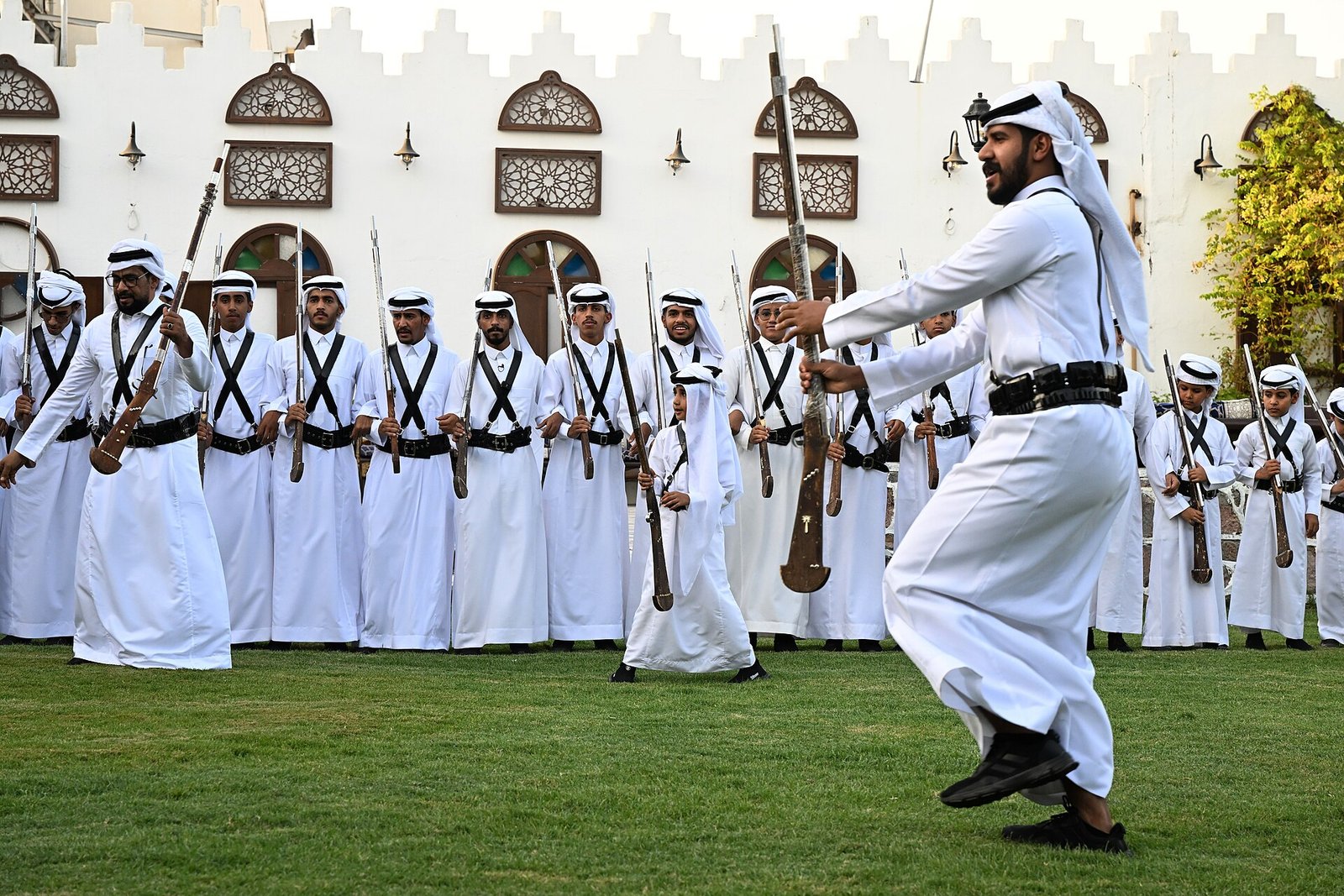
The Hejazi man’s basic garment is the thobe, but full traditional dress for occasions included pieces that set it apart from other regions of the Kingdom:
- The Hejazi turban: wrapped around the head in a distinctive way; one of its best-known fabrics is the embroidered ghabani with its characteristic colours — a leading symbol of Hejazi dress.
- The sideiri (sudairi): a sleeveless waistcoat worn over the thobe, often embroidered or in fine fabric.
- The belt: tied at the waist in some traditional outfits.
- The coat or jubba: a long outer garment worn over the thobe on occasions and in cooler weather.
Today you’ll see these mostly at heritage occasions, in performances such as mizmar, and during Founding Day celebrations.
Women’s dress
Hejazi women’s dress is rich in names and details, varying by occasion, age and city. Among the best known:
- Zaboun: a long gown, one of the most famous traditional Hejazi garments, worn at weddings and celebrations.
- Madoura: a traditional piece associated with special occasions, worn with other items.
- Mahrama: mentioned among Hejazi garments worn at parties and occasions.
- Kurta and sirwal: pieces shared by many traditional outfits.
There are many more names known in the Hejaz and used by designers reviving heritage, some with charming names linked to a garment’s shape or how it’s worn. Recent years have seen a strong revival of these garments, especially on Founding Day and at weddings and heritage events, often with contemporary design touches.
Mizmar: Where Dress Meets Movement
No talk of Hejazi dress is complete without mizmar, the Hejazi folk art combining rhythm, song and stick movement. Performers stand in two facing rows while two step into the centre and spar with sticks in dance-like moves to the beat of drums, amid clapping and chants. Performers usually wear traditional Hejazi dress with turbans and waistcoats, making mizmar a living display of dress and heritage at once. If you come across a mizmar performance in Al-Balad or at a heritage event, stop and watch — it’s one of the most genuine moments of Hejazi heritage.
Henna and Adornment
Henna is a tradition tied to dress and occasions in the Hejaz, with women and girls adorning their hands before Eid and weddings. Hejazi designs range from simple to intricate, and henna artists set up in the markets, especially in the last days of Ramadan and before festivities. Alongside henna, gold and silver jewellery was central to women’s festive dress, in traditional designs some of which are still made today.
A New Generation of Makers
One of the best things happening in Jeddah today is a new generation of young men and women rediscovering Hejazi crafts and dress through contemporary eyes: designers drawing on the zaboun and madoura for modern pieces, young carpenters learning roshan carving from veteran masters, and designers turning old door motifs into contemporary products. This generation is what keeps heritage alive and evolving, not just preserved in photos.
Crafts Today: From Heritage to Revival
In recent years handicrafts in Saudi Arabia have received major official attention, with the Ministry of Culture launching initiatives to support artisans, document crafts and teach them to new generations — including designating 2025 as the Year of Handicrafts. In Historic Jeddah in particular, crafts have become part of revival projects, with workshops, display spaces and events celebrating artisans.
As a visitor, you may get the chance to watch a craftsman at work, join a short workshop, or buy a handmade piece directly from its maker. Follow Historic Jeddah’s official accounts for workshops and events during your visit.
Wearing Hejazi Dress as a Visitor
Many guests, especially on Founding Day and at heritage events, ask me whether they can wear Hejazi dress. The answer is yes — Jeddawis will be delighted to see you honour their heritage. Some shops in Al-Balad and in malls sell traditional or traditionally inspired pieces, and some events offer photo corners with heritage costumes. Just wear them respectfully, and ask the seller how to wear them correctly — especially the turban, which needs a particular wrap. A photo of you in Hejazi dress in front of a roshan in Al-Balad will be one of your trip’s best memories.
Where to See Crafts and Dress in Jeddah
- Historic Jeddah: the rawasheen and doors themselves are the biggest open-air gallery of woodwork, plus shops and workshops.
- Al-Balad’s souqs: shops for brass, antiques, fabrics, prayer beads and heritage gifts.
- Founding Day (22 February): the best day to see traditional dress in the streets and at events.
- Heritage events and Ramadan: mizmar performances and Hejazi dress.
- Museums and heritage houses: some display traditional dress and tools — check what’s open during your visit.
What to Buy and How to Spot Authentic Pieces
- Roshan models: lovely souvenirs; handmade pieces differ in detail and weight from machine-made ones.
- Brass pieces: dallahs, incense burners and trays — ask whether a piece is antique or new.
- Fabrics and embroidery: embroidered pieces or traditional fabrics such as ghabani.
- Pottery: a small sharba makes a charming gift — just wrap it well for travel.
Tips: ask where a piece comes from, support local artisans when you can, and don’t hesitate to haggle politely in traditional markets. If a piece is described as antique, check the rules on exporting it from the Kingdom.
A Tour of Living Heritage
On my Historic Jeddah tour, I make sure to point out crafts everywhere: in roshan carvings, in brass door knockers, in fabric and antique shops. If a craft event or workshop coincides with your visit, I’ll include it. For heritage combined with the modern city, the full Jeddah city tour gives you the whole picture.
FAQ
What are the best-known traditional Hejazi crafts?
Roshan and door woodwork, coral-stone building, pottery, brass, wooden boatbuilding, and tailoring and embroidery.
What is ghabani?
An embroidered fabric used for the traditional Hejazi turban — a leading symbol of Hejazi men’s dress.
What is a zaboun?
A long women’s gown, one of the most famous traditional Hejazi garments, worn at weddings and celebrations.
When can I see Hejazi dress in the streets?
On Founding Day (22 February), at heritage events and Ramadan in Al-Balad, and at weddings and family occasions.
Can visitors wear Hejazi dress?
Yes — Jeddawis welcome it, especially on Founding Day and at heritage events; just wear it respectfully.
Where can I buy handicrafts in Jeddah?
In Historic Jeddah’s souqs and antique shops, and at craft events and exhibitions when they’re held.
The Takeaway
Hejazi crafts and dress are Jeddah’s memory that you can wear and touch. From a roshan carved by a master carpenter decades ago, to a ghabani turban worn by a young man on Founding Day, to an embroidered zaboun worn by a bride on her wedding night, Hejazi heritage keeps living — not just in museums. Know these details and you’ll see Al-Balad and its people with new eyes, and understand that beauty in Jeddah was made by hand, with patience and with love. And if you buy a piece made by an artisan’s hands in Al-Balad, you’re not just buying a souvenir — you’re helping keep these crafts alive for the next generation, and taking a small piece of Jeddah’s soul home with you.
Discover Hejazi Heritage With a Licensed Guide
I’m Adel Alsulami, a licensed tour guide in Jeddah with more than eight years of experience. Join me on a tour revealing the crafts and living heritage of Al-Balad.
📞 Call & WhatsApp: +966 50 444 6088 (WhatsApp)
✉️ Email: Adel@iAdelAlsulami.com
👉 Book your tour now