Historic Al-Balad Landmarks: What to Choose for Your Visit
Choosing landmarks in Jeddah’s Al-Balad begins with what you want to understand or experience. A heritage house introduces domestic architecture, a mosque connects you with the neighbourhood’s religious life, and a souq brings commercial activity into the picture. You do not need to collect every name in one outing. Choose different kinds of stops so that each adds something to your visit.
This guide compares Nassif House, Al-Shafi’i and Al-Mimar mosques, Bab Makkah, and Al-Alawi and Al-Badu souqs, while making room for rawasheen along the way. It helps you choose places; the Al-Balad walking route offers a suggested sequence. These landmarks do not share one admission ticket, and an exterior stop does not mean interior access is available on your date.
How to choose your first stops
Begin with three types of place rather than a long list of similar buildings: a house, a market and a mosque exterior or gate. This introduces different functions of the district. For photography, choose one stop for a wider scene and another for architectural detail. For history, prepare a particular question about each place rather than trying to remember every date.
- Houses and architecture: start with Nassif House and observe rawasheen between stops.
- Commercial life: make Al-Alawi or Al-Badu a focus, allowing time to ask questions and browse.
- Religious architecture: consider an exterior stop at Al-Shafi’i or Al-Mimar, respecting prayer and site instructions.
- The city’s boundaries: add Bab Makkah and an explanation distinguishing historical context from the present structure.
These are editorial suggestions by interest, not a ranked “best of” list or a commercial rating. A worthwhile stop depends on your interests, the group’s time and conditions during the visit. Fewer landmarks can be a good choice when observation and conversation matter more to you than a large collection of photographs.
Nassif House: a house with a historical connection
Nassif House is one of Historic Jeddah’s heritage houses. Saudipedia records King Abdulaziz’s stay there in 1925, making it a useful stop for connecting national history with residential architecture. Begin outside by observing the scale of the façade and the relationship between its openings and surrounding space. The Nassif House guide provides more historical and architectural context.
Ask your guide to distinguish the house’s original function, events associated with it and later uses. Instead of turning architecture into a list of numbers, choose a visible detail and ask how it relates to life in the building. Compare the frontage with another house you encounter from outside, without assuming both belong to the same period.
An interior visit requires separate confirmation of opening arrangements, reservations and any fee. An exterior stop can form part of a neighbourhood walk while respecting barriers and local instructions. Avoid promising children a climb or access to particular rooms until those arrangements have been confirmed for your visit.
Al-Shafi’i Mosque: part of a working neighbourhood
The official Historic Jeddah website places Al-Shafi’i Mosque in the Al-Mazloom quarter. Choose it when you want to understand a mosque’s relationship with nearby commercial and residential surroundings. Begin with its exterior, minaret and the approaching lanes, then ask about different phases of architectural work and restoration rather than assigning one age to the whole building.
This is a place of worship, so an exterior stop may suit your programme best. Ask about permitted entry, timing and photography, and follow the responsible staff’s instructions. Do not gather across the entrance while worshippers are moving through it. A sightseeing visit to Al-Balad does not automatically permit entry to every mosque. Read the historic mosques guide for documented background and visiting etiquette, including the need to confirm any proposed interior access for non-Muslim visitors.
Al-Mimar Mosque: compare the market setting
Saudipedia locates Al-Mimar on Al-Alawi Street near Nassif Square and describes the building as raised above street level. That gives you a useful observation question: how does the building’s level relate to the lane, and how does its position connect with nearby commercial activity? Al-Mimar can add a different perspective to a visit focused on markets and architecture.
If you choose both Al-Shafi’i and Al-Mimar, make the comparison specific so the stops do not become repetitive. Consider how each façade meets its surroundings or how visitors approach it. A historical description of entrances is not a guarantee of present-day access, especially when someone in your group needs to avoid steps or changes in level.
Bab Makkah: an introduction to the gates
Bab Makkah is a useful choice if you want a recognisable landmark that introduces the idea of entering the city and its historical boundaries. Ask two separate questions: what is known about the gate’s role in the past, and what does the structure visible today represent? Keeping those questions separate helps you appreciate the place without confusing its historical story with the age of every visible element.
The gate may suit a wider photograph or an introductory explanation, but a meeting point still needs a precise pin and a safe place to gather. Avoid obstructing traffic or pedestrians while taking pictures. The Historic Jeddah gates guide helps compare names and stories without assuming every historical name refers to an original surviving structure.
Al-Alawi and Al-Badu souqs: landmarks experienced on foot
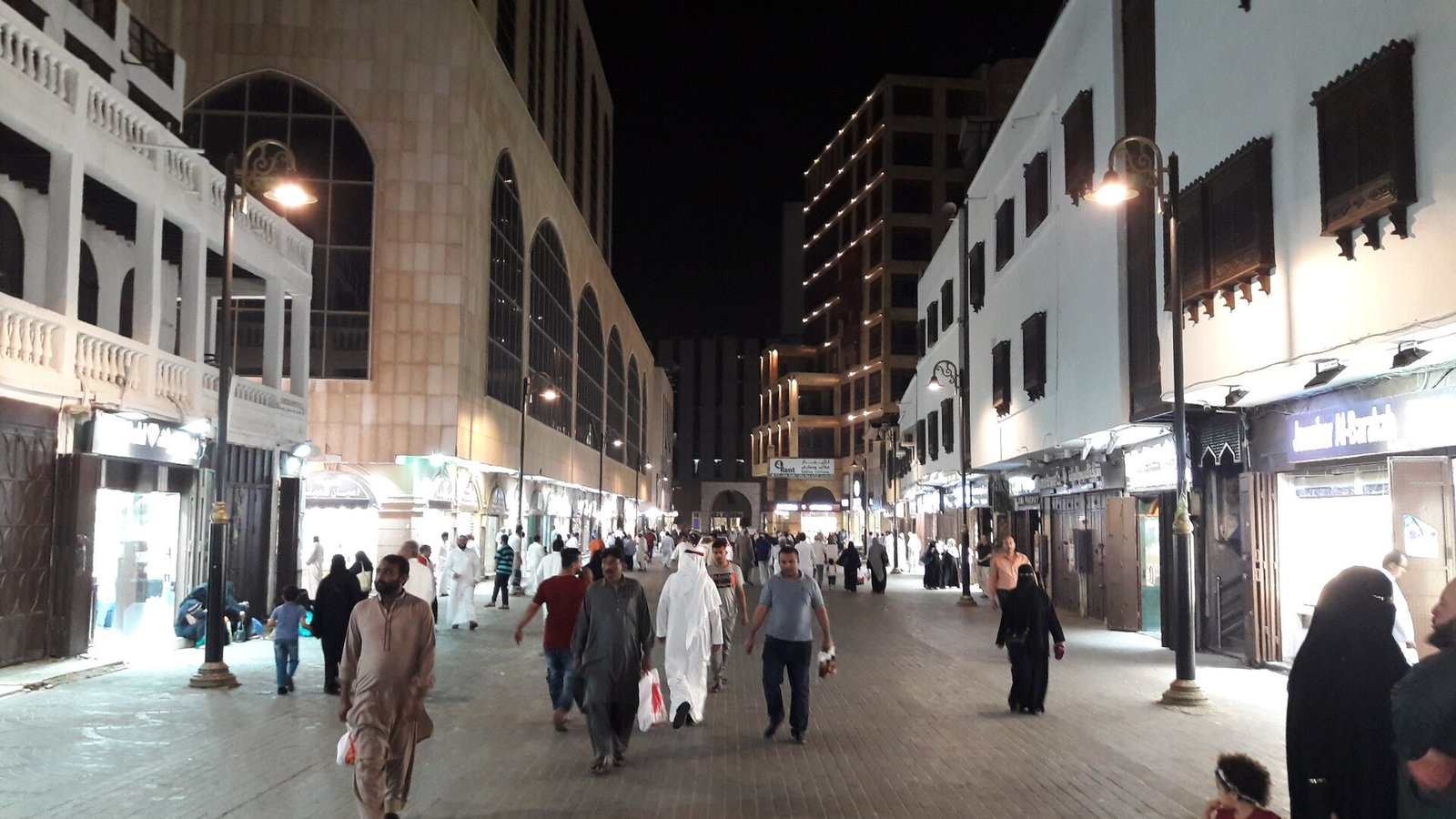
A landmark need not be a single building. A commercial street reveals its character as you walk. Historic Jeddah’s official website describes Al-Alawi as extending to Bab Makkah and lists Al-Badu among the district’s souqs. Choose a market when you want to combine architecture, everyday activity and browsing, with enough time to enjoy them without rushing.
Do not assume every shop sells the same products or keeps identical hours. Decide what you are looking for, then ask about origin, size, quantity and price. If photography is your purpose, ask before taking pictures inside a business or identifiable portraits, and keep entrances clear. The souqs guide provides more context and practical shopping advice.
Rawasheen: the details between the landmarks
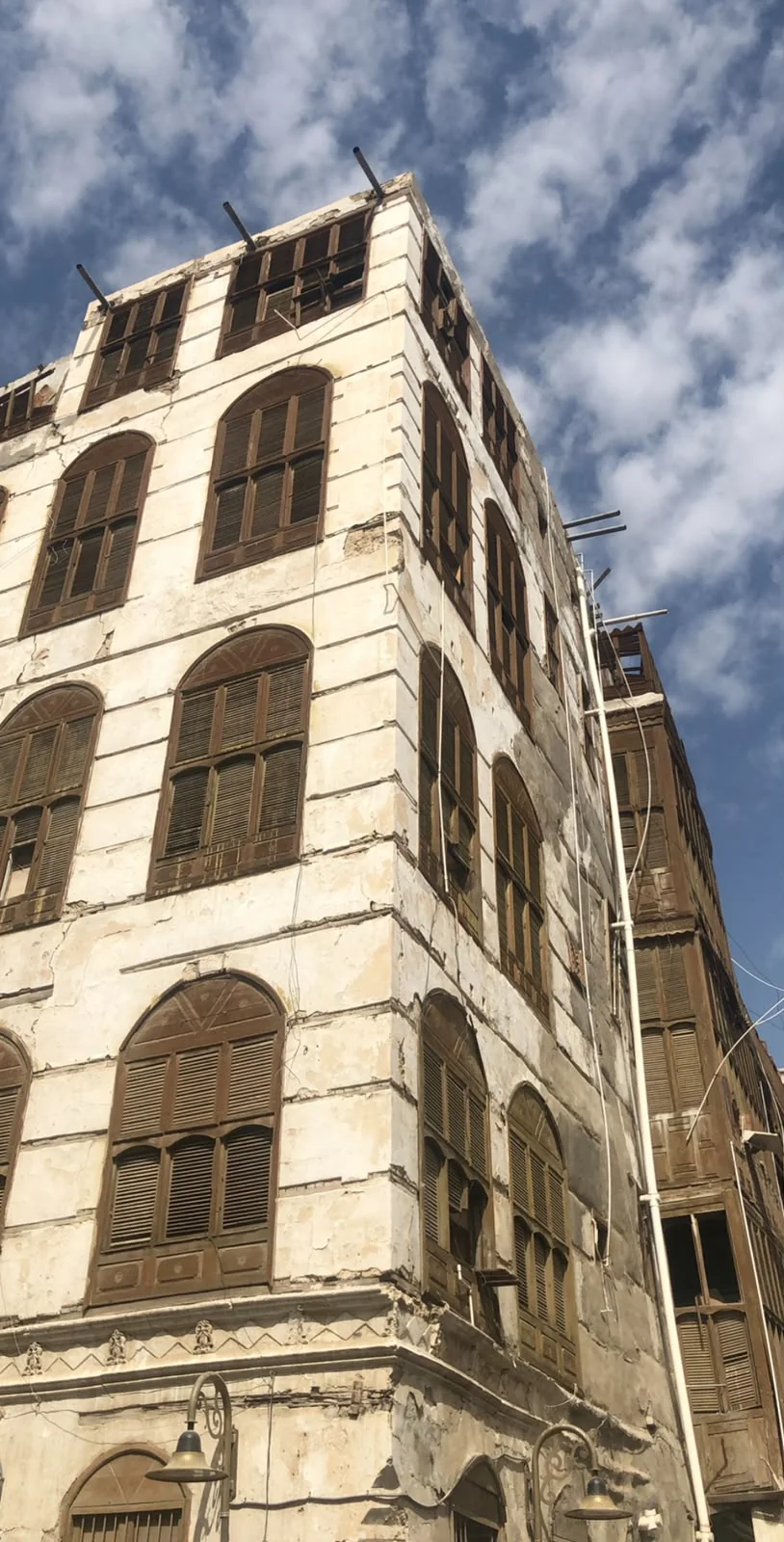
Allow time for façades between the major stops. Comparing timber colours, projecting wooden window structures and openings may be more rewarding than adding another distant destination. Observe from an appropriate public position. Do not enter a private property because its door is open or its frontage is attractive; respecting its present use is part of visiting the neighbourhood.
For children, turn observation into a simple activity: find a similar detail on two façades, then discuss how the examples differ. Avoid touching old architectural elements or climbing barriers for a photograph. The rawasheen and Hijazi architecture guide is a useful next step when you want a deeper explanation.
What to confirm before you visit
Locate each stop on the official district map, then agree on a suitable beginning, finish and route for the group. Separate exterior viewing from any interior that requires confirmed access. Ask about tickets, inclusions and breaks. An older photograph or an undated review should not be the basis for promises about what will be open.
Bring water, choose comfortable shoes and reduce the number of stops if your group needs a gentler pace. When a place is unavailable, architectural observation or a suitable market can provide an alternative without promising an unconfirmed indoor visit. Flexibility helps when access conditions or the group’s preferences change during the outing.
Frequently asked questions
Which landmarks should I choose for a first visit?
Consider a house, a market, and a mosque exterior or gate, matching them to your interests and the available route. There is no compulsory list for every visitor.
Is entry to heritage houses and mosques automatically included?
No. Confirm access, instructions and any charge separately for each site and for your particular booking.
Should I see everything in one tour?
Not necessarily. Three well-explained stops may suit you better than rushing past a long list of names.
Choose your landmarks with a local guide
Discuss a private visit with Adel Alsulami, licensed Saudi tour guide, licence 40000511. Share your interests, group size, language and preferred date, then agree on suitable stops, any confirmed interiors and clear inclusions before booking.
Sources
- Saudipedia: Nassif House (Arabic).
- Historic Jeddah: Al-Shafi’i Mosque (Arabic).
- Saudipedia: Al-Mimar Mosque (Arabic).
- Historic Jeddah: Al-Alawi souq (Arabic).
- Historic Jeddah: Al-Badu souq (Arabic).
Reviewed 13 October 2026. Landmark choices are editorial suggestions, not confirmation of current hours or prices. Featured photo: Francisco Anzola / Wikimedia Commons, CC BY 2.0; resized and converted to WebP.
Book the Historic Jeddah (Al-Balad) tour with Adel Alsulami — 2–4 hours, SAR 500
Planning a visit? Meet Adel Alsulami, your licensed Jeddah tour guide and discuss a private itinerary around your interests.