History of Jeddah: A Gateway for Pilgrims and Trade
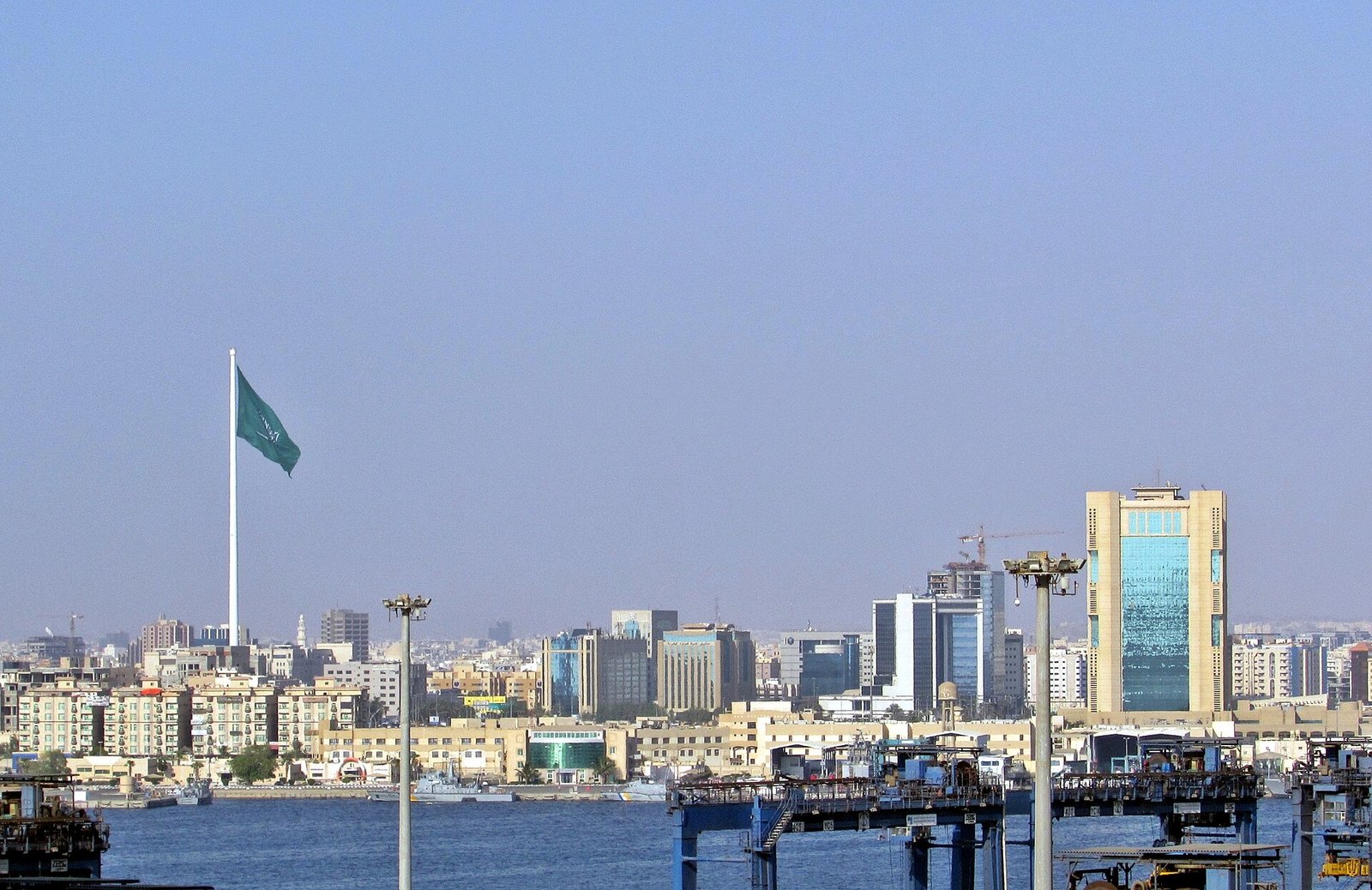
Look at Historic Jeddah as a collection of beautiful houses and you see only part of its story. Connect those houses with the port, markets and pilgrims, and a different picture emerges: a city whose importance rested on bringing people and places together. The sea is more than a scenic background. It is a starting point for understanding why these activities converged and how Al-Balad developed its distinctive character.
This article introduces a few documented milestones and offers a way to use them while exploring. It does not assume that every surviving building dates from the city’s beginnings. A neighbourhood’s history and the age of each structure are different questions. Cities are rebuilt, repaired and adapted, even when some of their functions and associations continue.
Jeddah as Makkah’s port: the first milestone to understand
A Saudi Press Agency report on documentation by the King Abdulaziz Foundation describes Jeddah’s pre-Islamic history and records Caliph Uthman ibn Affan’s designation of it as Makkah’s port in 26 AH, corresponding to 647 CE. This marks a development in the city’s role; it does not date every neighbourhood or building a visitor encounters today.
A gateway need not mean a physical opening in a wall. It can describe a place of arrival, organisation and onward travel. You may hear Jeddah called a gateway to the Two Holy Mosques. When discussing the World Heritage property, use its specific official name: “Historic Jeddah, the Gate to Makkah.” Distinguishing the broader expression from the inscription’s title helps keep the account clear.
Pilgrimage and commerce belong in the same story
UNESCO connects Jeddah’s growth with arriving sea pilgrims and Indian Ocean commerce supplying Makkah. It also relates late nineteenth-century commercial and architectural prosperity to steam navigation and the opening of the Suez Canal in 1869. Merchant houses, rawasheen, markets and accommodation associated with pilgrims are part of this interconnected heritage.
A useful interpretive question is: what does someone need after arriving? Rest, information, arrangements for the next stage, and perhaps a place to buy or sell something. This is a way to think about relationships between travel and urban life, not a documented account of one particular pilgrim’s journey. Individual stories require evidence connected to the people concerned.
During your visit, consider the city as a network of arrival, residence, exchange and worship. Do not treat its markets as separate from its religious history, or reduce the port’s role to cargo alone. The connections give a walk a coherent subject, even if your itinerary consists entirely of outdoor stops rather than entering buildings.
How to read Al-Balad’s architecture
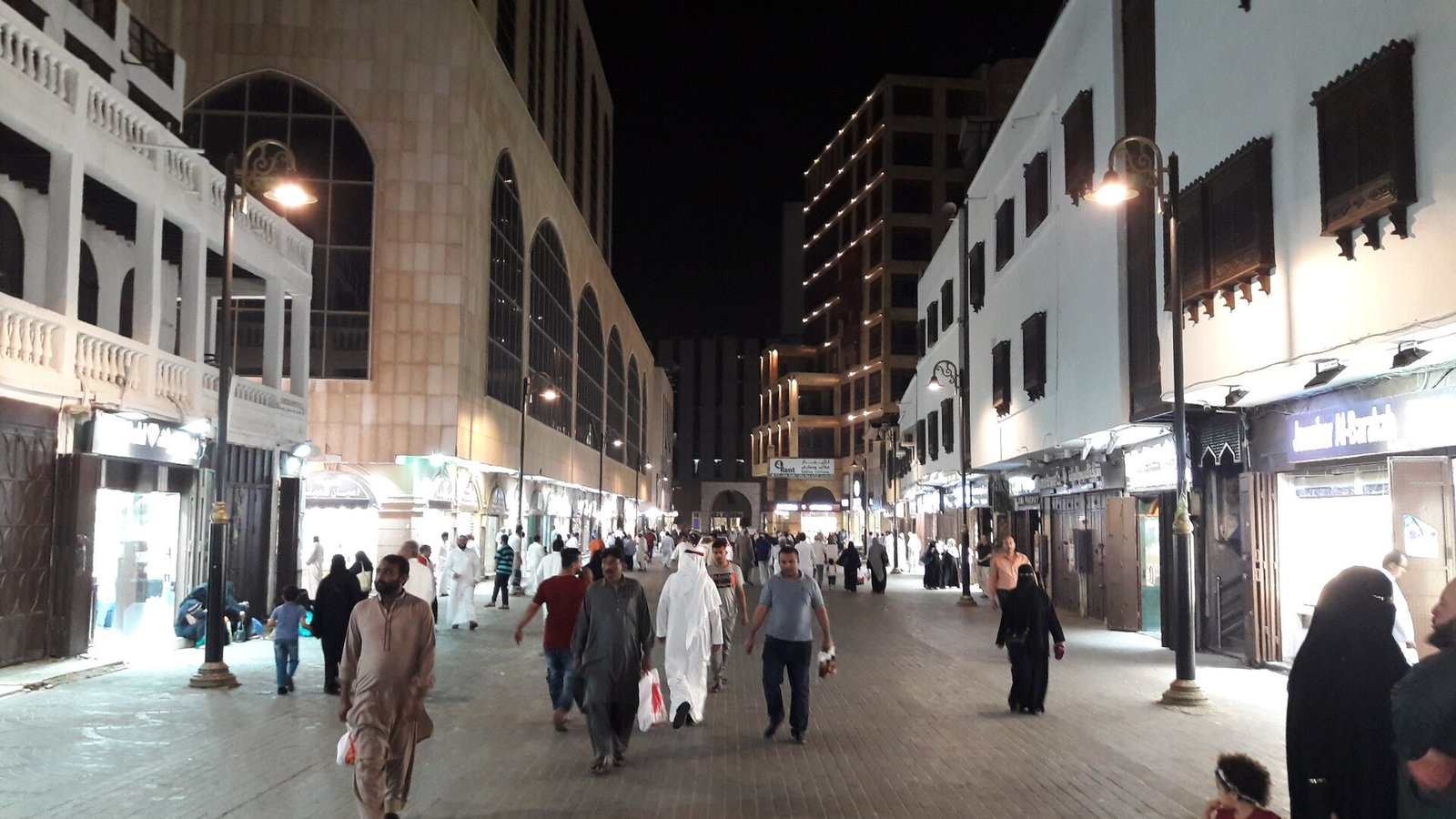
The facades invite you to notice timber against wall surfaces, differences in building heights and the arrangement of openings. Start with the whole building rather than treating every ornament as an isolated symbol. Where is the entrance? What projects from the frontage? How do the elements change between the lower and upper levels? These observations make questions about materials and function more precise.
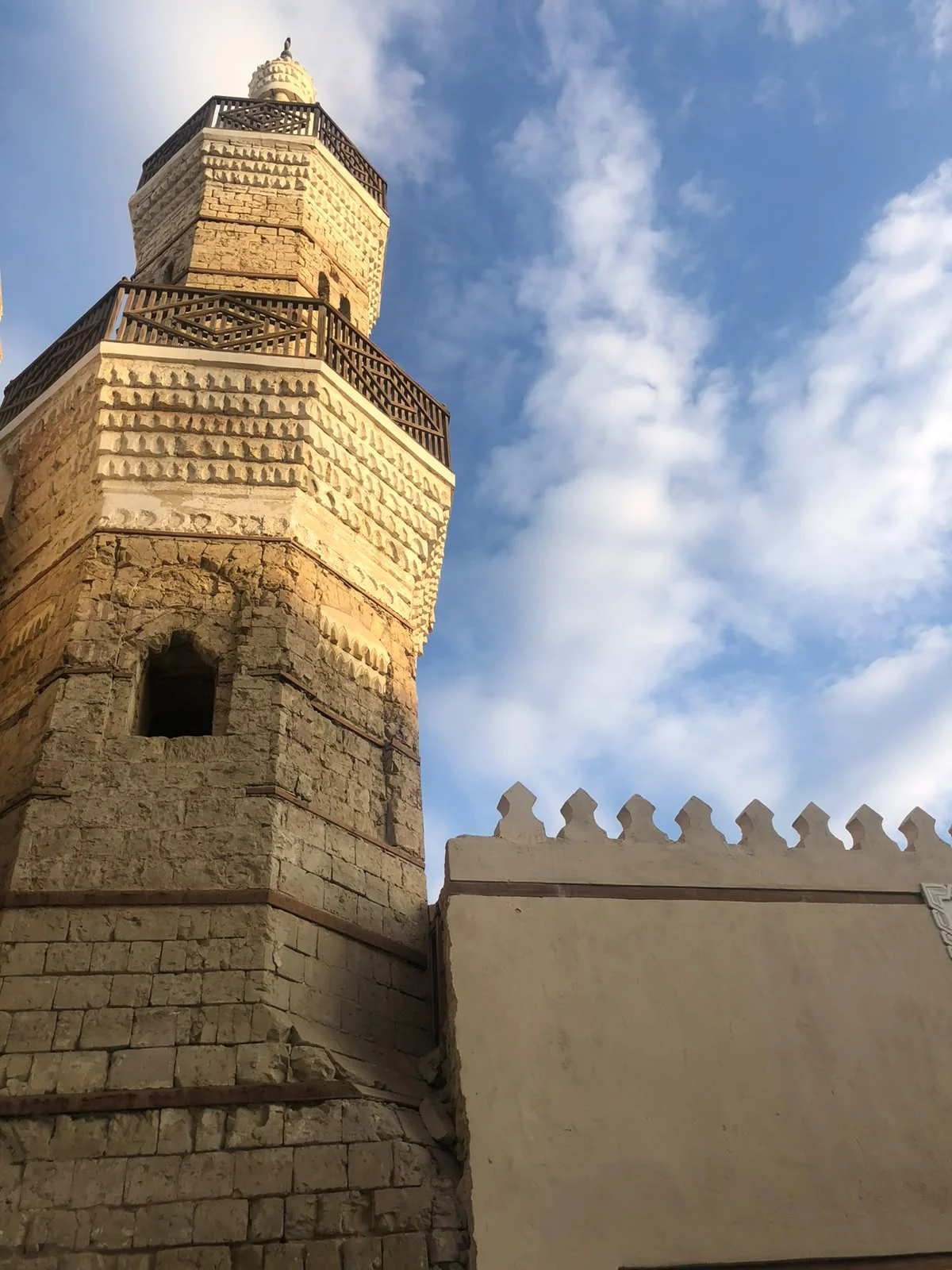
Do not date a house by its colour or assume that a weathered-looking element has never been restored. Appearance alone is not enough to establish age. If a story links a particular material or craft to a place, ask which source supports the connection and whether it applies to the building in front of you. The rawasheen and architecture guide helps you study details without claiming that a photograph proves more than it can.
Nassif House: from the city’s history to one building’s story
Choosing one building for a closer look is a useful way to distinguish a broad narrative from a specific event. The Nassif House guide provides sourced background and practical visiting advice. Use that example to ask what it contributes to your understanding of Al-Balad, and which parts of its story should not be generalised to other houses.
This approach prevents a tour from becoming an unconnected list of names and dates. Record one supported fact for each stop rather than transferring an attractive story between similar-looking buildings. Organise photographs the same way: the wider setting, a named building and then a detail belonging to it. Keeping the correct place name in your notes avoids confusion when reviewing the pictures later.
2014: recognition of Historic Jeddah’s value
Saudipedia records Historic Jeddah’s World Heritage inscription on 21 June 2014. This was a milestone in recognition and protection, not the beginning of the place’s importance. For visitors, the practical responsibility is straightforward: treat the district as heritage requiring care, rather than a backdrop available for unrestricted use.
World Heritage status does not mean that every doorway is open, every house is a museum, or every space can be entered and photographed. Separate exploring public surroundings from visiting a building with its own management arrangements. Where work or barriers affect a route, follow instructions and adapt the walk rather than trying to reach a viewpoint simply because you saw it in an earlier photograph.
A short timeline without mixing the periods
- Before Islam: the King Abdulaziz Foundation documentation reported by SPA identifies an earlier history for the city.
- 26 AH / 647 CE: Jeddah becomes Makkah’s port under Caliph Uthman ibn Affan.
- 1869 and afterwards: UNESCO connects a later phase of commercial and architectural prosperity with the Suez Canal and steam navigation.
- 2014: Historic Jeddah enters the World Heritage List.
Use these as a framework, then add the history of individual sites where their sources are available. Neither the port milestone nor the inscription year tells you the age of every house and mosque. Keeping a city’s development separate from a building’s chronology is one of the simplest ways to make a heritage explanation more accurate and easier to follow.
Turn the reading into a worthwhile heritage walk
Choose three themes rather than trying to see everything: domestic architecture, a market, and the surroundings of a religious or cultural landmark. At each stop, ask how it relates to people’s lives and what supports the explanation. With children, comparing two entrances or sketching a timber detail can make the subject tangible. For photography, allow time to show the relationship between a building and the street rather than collecting ornaments alone.
Consult the Al-Balad visitor guide for the wider outing and the walking tour guide for planning questions. This historical overview does not describe a separately ticketed experience. Any indoor visit you add needs its own arrangements confirmed. Leave room for breaks and discussion, so the walk can develop a story rather than become a race between attractions.
Frequently asked questions
Is Historic Jeddah the whole city?
No. This article focuses on the historic district known as Al-Balad and its place in the city’s story, rather than all of modern Jeddah.
Do surviving houses date from the establishment of the port?
You cannot draw that conclusion. Each building has its own chronology and phases. The port’s designation does not establish the age of every surviving structure.
Why does pilgrimage feature so strongly in Jeddah’s history?
Receiving pilgrims by sea was central to its relationship with Makkah. That connection matters when interpreting both its buildings and its social heritage.
Can one tour explain all of Jeddah’s history?
A focused tour can provide a good introduction. Choose the subjects that interest you and keep further questions for deeper reading or another visit.
Explore the connections with a local guide
For a walk focused on history and its relationship with buildings and markets, request a private tour with Adel Alsulami, a licensed Saudi tour guide, licence number 40000511. Share your interests beforehand and discuss a route suited to your available time, so each stop contributes to an understandable story.
Sources reviewed on 13 October 2026: UNESCO, Saudipedia and the King Abdulaziz Foundation documentation reported by the Saudi Press Agency. Featured photograph of Al-Balad facades: Francisco Anzola / Wikimedia Commons, CC BY 2.0; resized and converted to WebP.
Book the Historic Jeddah (Al-Balad) tour with Adel Alsulami — 2–4 hours, SAR 500
Planning a visit? Meet Adel Alsulami, your licensed Jeddah tour guide and discuss a private itinerary around your interests.