Saudi Coffee in Jeddah: A Visitor’s Guide to a Relaxed Break
A Saudi coffee experience in Jeddah can be a relaxed moment to learn about hospitality and talk about your visit. Treat the break as a chance to ask questions and enjoy what is offered, rather than a performance with rules you must memorise perfectly.
Ask what is being served
Not every café drink is Saudi coffee, and preparations and preferences can vary. Ask the host or staff about the coffee and how they recommend enjoying it. If ingredients matter to you, check them directly instead of guessing from colour or aroma.
Visit Saudi's culture guidance provides broader context for hospitality and local customs. Use it as background, while following the preferences of your actual host or venue.
Let the host guide the moment
Observe how the coffee is offered, respond politely and ask if you are unsure. You do not need to turn the experience into a test of etiquette. If you prefer not to have more, communicate simply and respectfully.
Keep the setting comfortable
For a tour group, choose seating that fits the number of guests and the time available. Confirm whether a break is inside the guided duration or after it ends. Ask about access and facilities if anyone needs a step-free route or frequent seated rests.
Photograph with permission
Coffee cups and details can make attractive images, but ask before photographing staff, hosts or other guests. A café or private hospitality setting may have its own rules. Do not assume commercial shooting is allowed because ordinary visitor photos are common.
Include a cultural break in your walk
Tell Adel if coffee and conversation are important parts of your visit. Discuss a suitable pause during an Al-Balad outing or at its end, and confirm whether drinks are included or paid separately. Leave enough time to enjoy the break without sacrificing the main purpose of the tour.
Why coffee belongs to hospitality
UNESCO describes Arabic coffee as a symbol of generosity within a living cultural tradition passed between generations. Its meaning includes the welcome and the time people offer one another, alongside the drink itself. This does not mean every commercial café reproduces a family gathering, or that every household follows identical details. In Jeddah, conversation and thoughtful questions can help you understand the practice of the person hosting you.
Separate the name of a preparation from the origin of its beans. A menu entry saying Saudi coffee does not, on its own, establish where the beans were grown or how they were roasted. If discovering locally grown coffee matters to you, ask about the beans used in that particular pot, their origin and their roast. The answers tell you more than assuming every cup served in the city comes from the same growing region.
Recognise the dallah, finjan and preparation tools
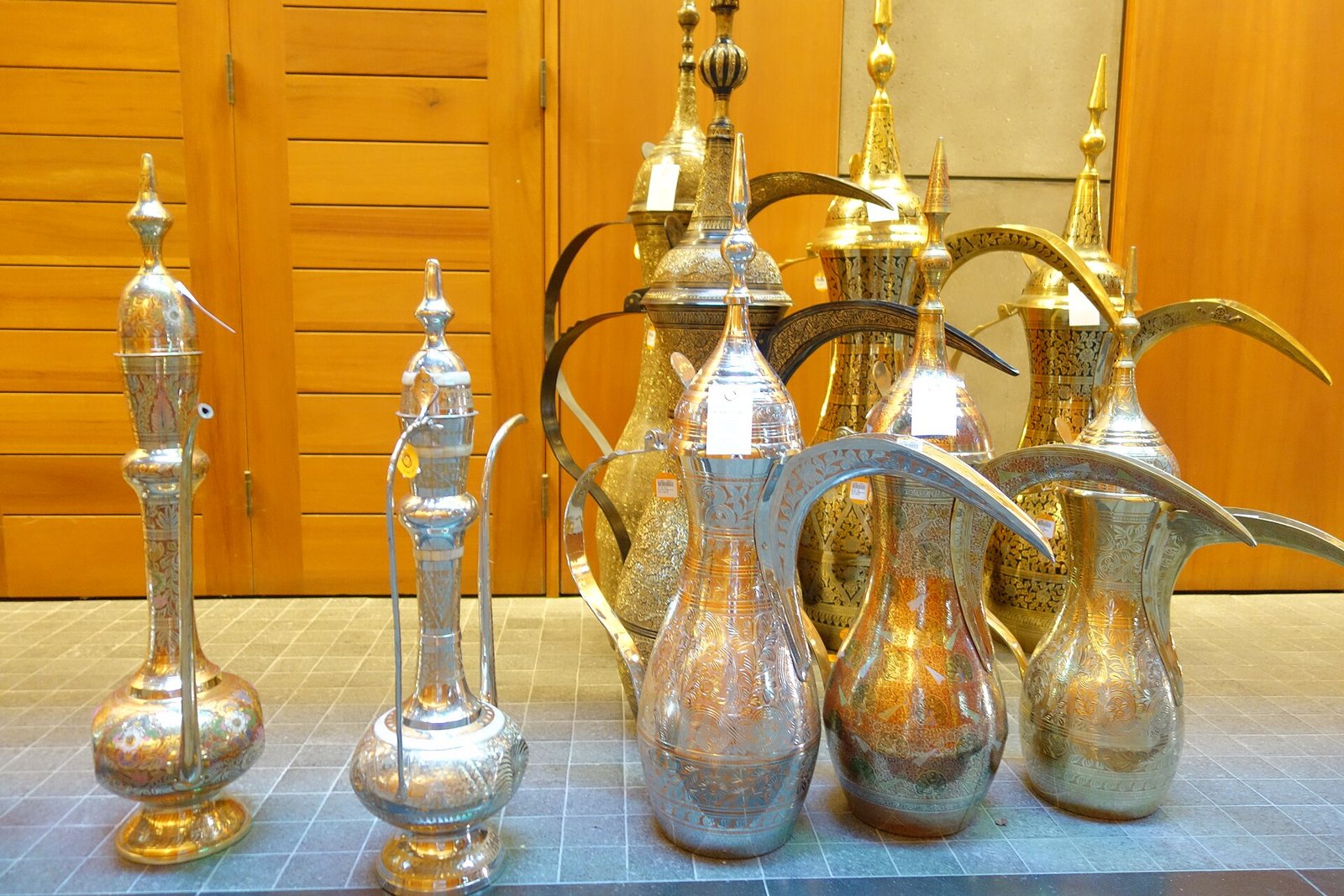
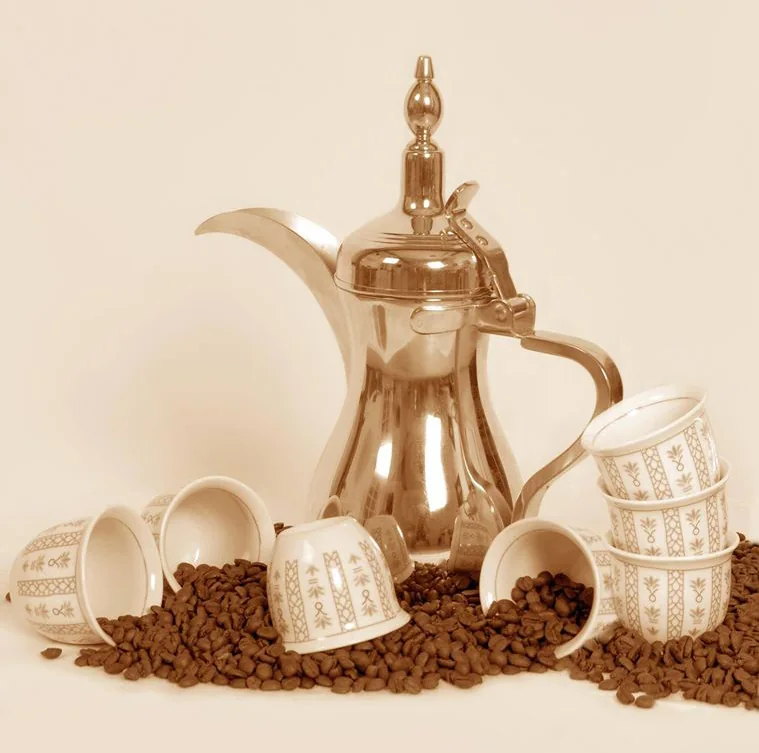
The dallah is the familiar serving pot, while the small finjan is a visible part of coffee hospitality. Traditional preparation tools include a roasting pan, known as a mihmas, and a mortar, known as a najr, for pounding beans. A heritage setting may display these tools to explain the process, while a busy café uses modern equipment for its orders. An old tool in the décor does not establish how your own drink was made; ask if you hope to see a demonstration.
Ask about flavour rather than judging by colour
Roast levels, additions and preferences vary between regions, households and venues. Cardamom, saffron or other ingredients may appear in particular preparations, but an addition should not be assumed to be present in every pot. Ask what this coffee contains and whether dates or sweets come separately or with the order. If you need to avoid an ingredient, put that question directly to the staff who know the actual preparation.
When tasting, notice the aroma, temperature and flavour left after a sip. Try the coffee before comparing it with your usual drink. You do not have to enjoy every blend, and you can explain a preference politely or choose something else. A worthwhile cultural encounter leaves room for the visitor’s choice; it is not measured by how many cups you finish.
A host’s gathering or a café order?
In a private gathering, let the host explain what they would like to share, and ask before handling tools or photographing preparation. In a commercial café, start with the menu. Is the order a single cup or a pot to share? How large is it? Are accompaniments charged separately? A clear order is more useful than assuming the bill works like an invitation into someone’s home.
You may hear different explanations of cup gestures or serving order. Understand these within the host’s own practice and ask if necessary. You can always say clearly that you have had enough and thank the person serving. There is no need to memorise a fixed number of cups or apply an internet explanation of a gesture to every setting you encounter.
Make the break fit your walk
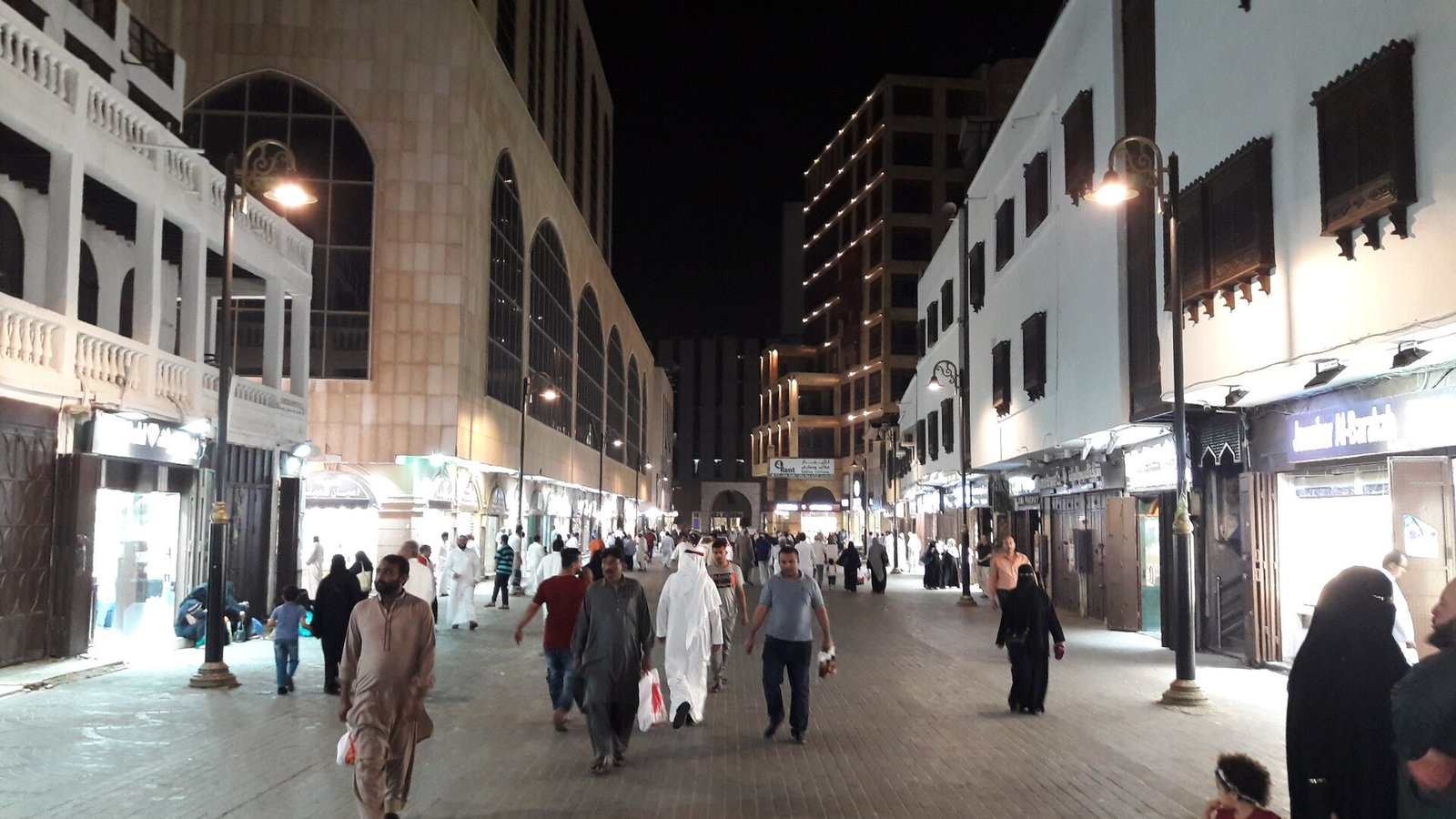
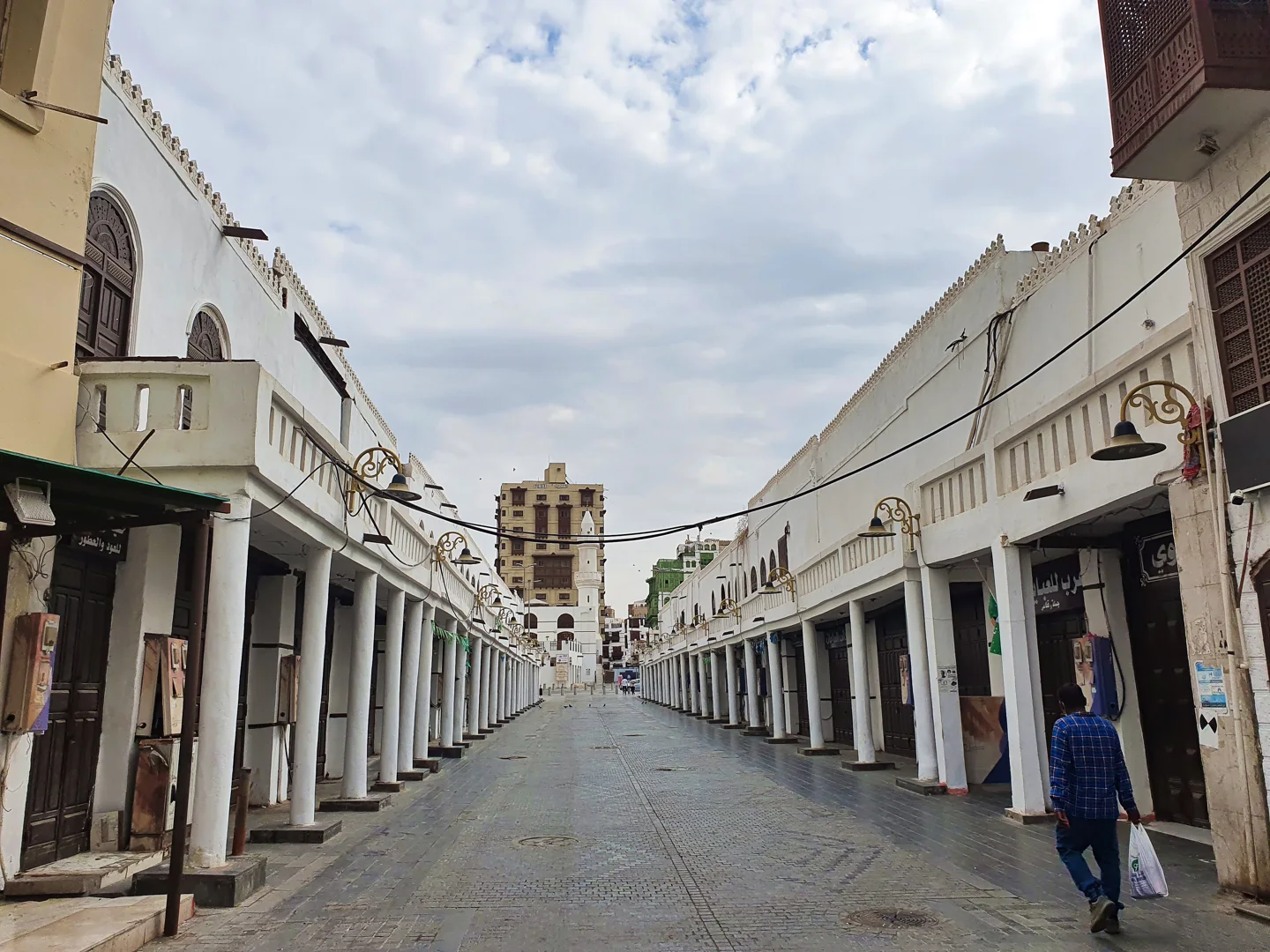
If your main interest is photographing the rawasheen and markets, a break after part of the walk gives you time to review pictures and discuss what you have seen. In a group, establish whether everyone wants coffee or simply a comfortable seat with other drinks available. Keep a second option in mind if seating is full, and avoid tying a strict onward appointment to a café where a table has not been confirmed.
Tell your guide whether you want a short drinks stop or a longer discussion of tools and customs. A café visit does not automatically include roasting, a brewing lesson or access to a private gathering. Those activities need a specific arrangement if available. Allow for ordering, service and returning to your walking route within the agreed tour duration.
For example, a guest primarily interested in architecture might choose one seated pause after exploring a few streets, while someone focused on coffee might reserve more time for questions and a carefully chosen venue. Neither format needs a crowded list of stops. Choose the pace around the people travelling with you, and agree on what happens if the first venue cannot accommodate the group.
Buying beans or coffee tools as a souvenir
For beans, ask about origin, roast level, roast date and whether the product is whole or ground. Explain the equipment you will use at home before choosing a grind. For a dallah, ask whether it is intended for food and drink use or for decoration, and how it should be cleaned. Confirm the size and price, then choose something you can carry and realistically use.
If you want to recreate a flavour you enjoyed, ask what was in that specific preparation rather than buying a package based only on its colour or a photograph. A ready-mixed blend and plain roasted beans are different purchases. Keep the product label and preparation directions where available, and check your own onward travel requirements before buying quantities to take across a border.
Sources for coffee culture
For cultural background, see UNESCO’s Arabic coffee heritage entry, Saudipedia’s Saudi coffee article and Diriyah Gate Development Authority’s introduction to coffee and its tools. These provide background; your actual venue remains the source for its ingredients and available services.
Frequently asked questions
Is every coffee served in Jeddah Saudi coffee?
No. Ask the staff or host what preparation is being served.
Is a coffee break part of every private tour?
Not automatically. Discuss the stop, its duration and who pays for drinks before booking.
Continue planning your visit
- Jeddah Food Tour Planning: Taste the City Without Overbooking
- First Time in Al-Balad: Orientation Before Your Jeddah Visit
- Jeddah for Women Travellers: Practical Tour Planning
- One day in Jeddah: heritage and waterfront
Official visitor information and further reading
Image credits: Abdulla Al Muhairi / Wikimedia Commons (CC BY 2.0).
Book the Historic Jeddah (Al-Balad) tour with Adel Alsulami — 2–4 hours, SAR 500 · Contact Adel for availability and a quote
Planning a visit? Meet Adel Alsulami, your licensed Jeddah tour guide and discuss a private itinerary around your interests.