The Old Quarters of Jeddah: Al-Mazloum, Al-Sham, Al-Yemen and Al-Bahr
When older Jeddawis talk about their childhood, they don’t say “I lived in Al-Balad.” They say “I’m from Harat Al-Mazloum,” or “our house was in Harat Al-Sham.” In old Jeddah, the hara — the quarter — wasn’t just an address; it was identity, belonging and a whole web of relationships. Inside the old city walls, people were spread across quarters, each with its own character, families, mosques, small markets and stories. In this article I take you on a journey through Jeddah’s old quarters so you can understand life inside the walls — and why Jeddawis still speak of their haras with such nostalgia.
Jeddah Inside the Walls
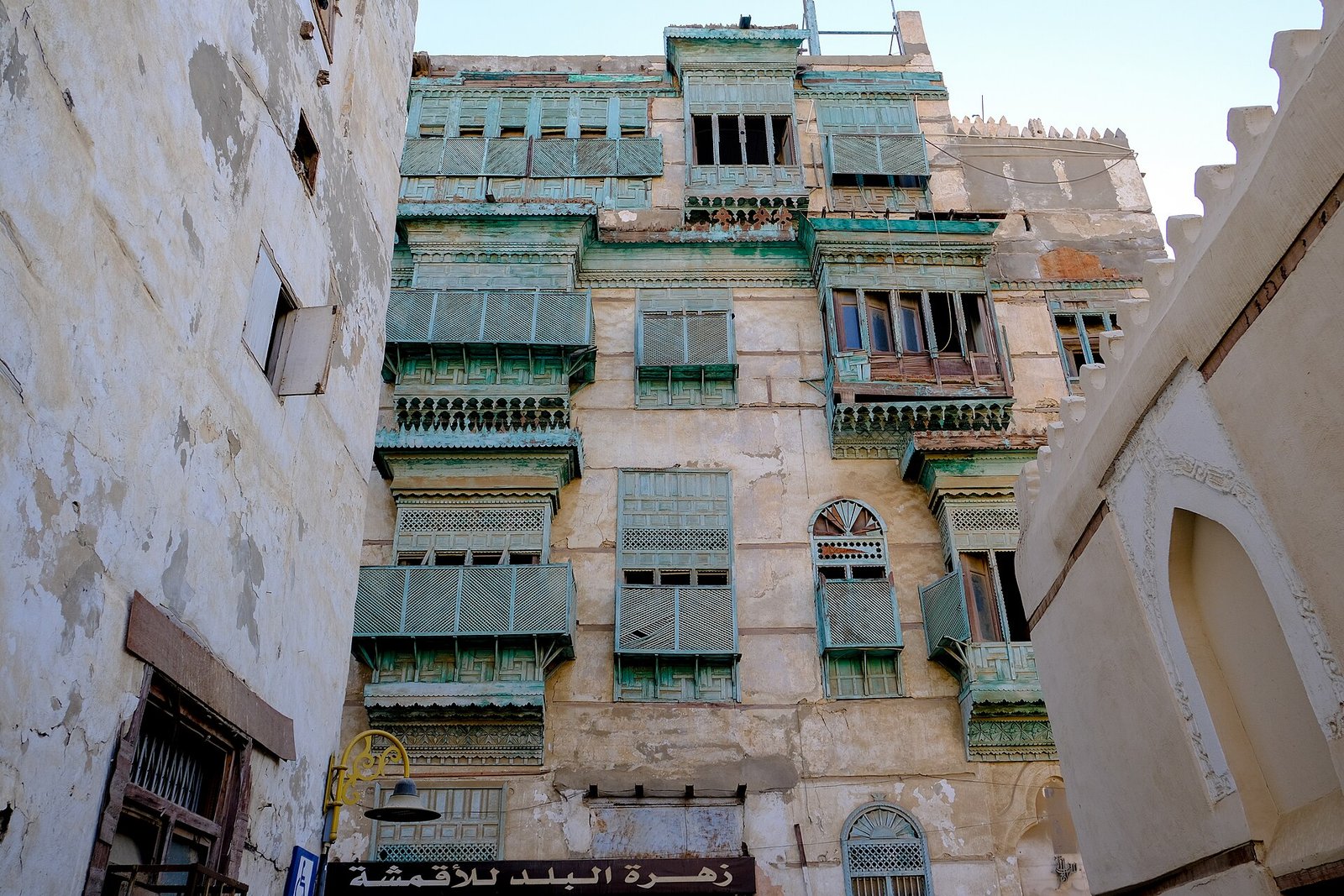
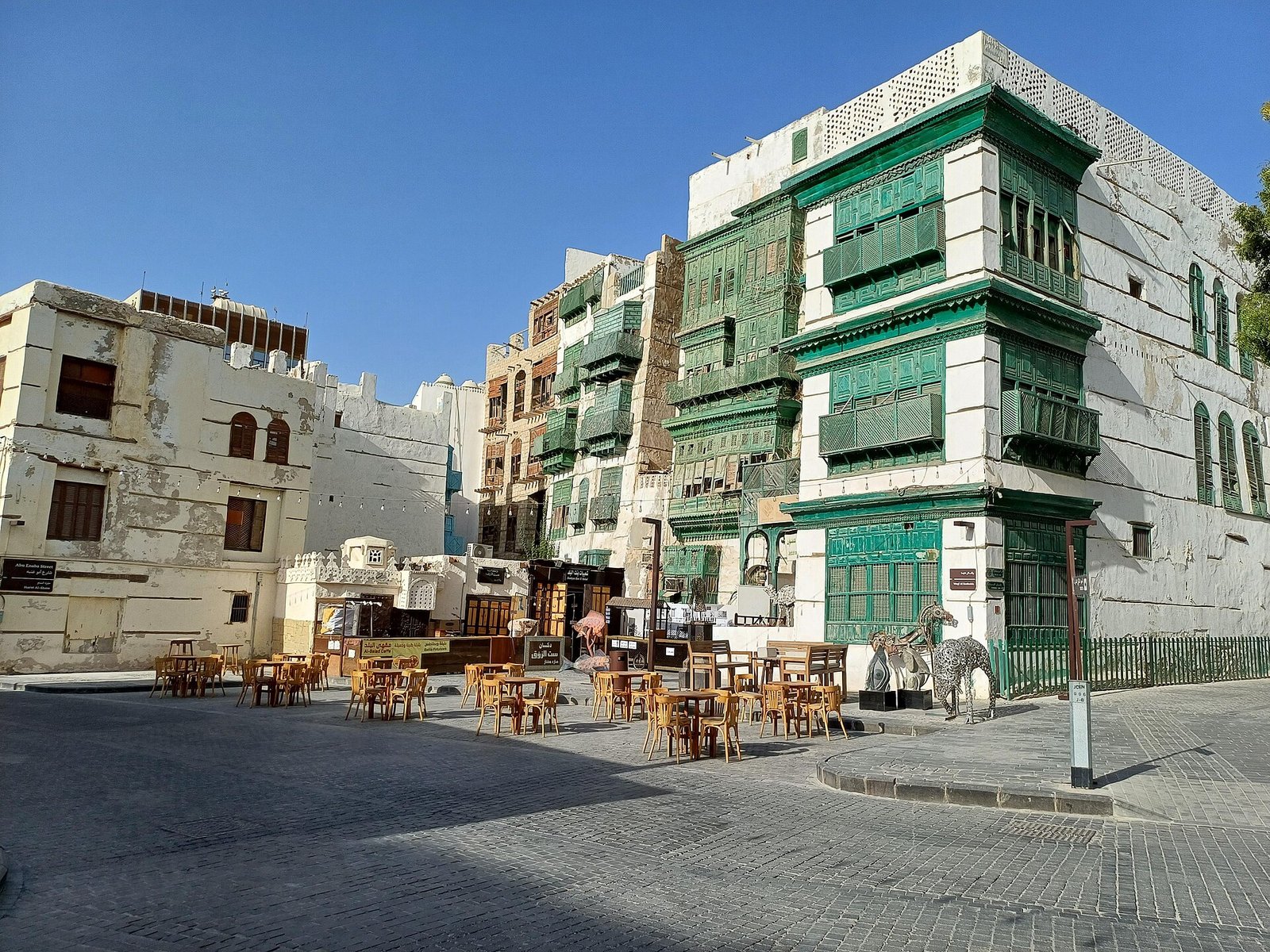
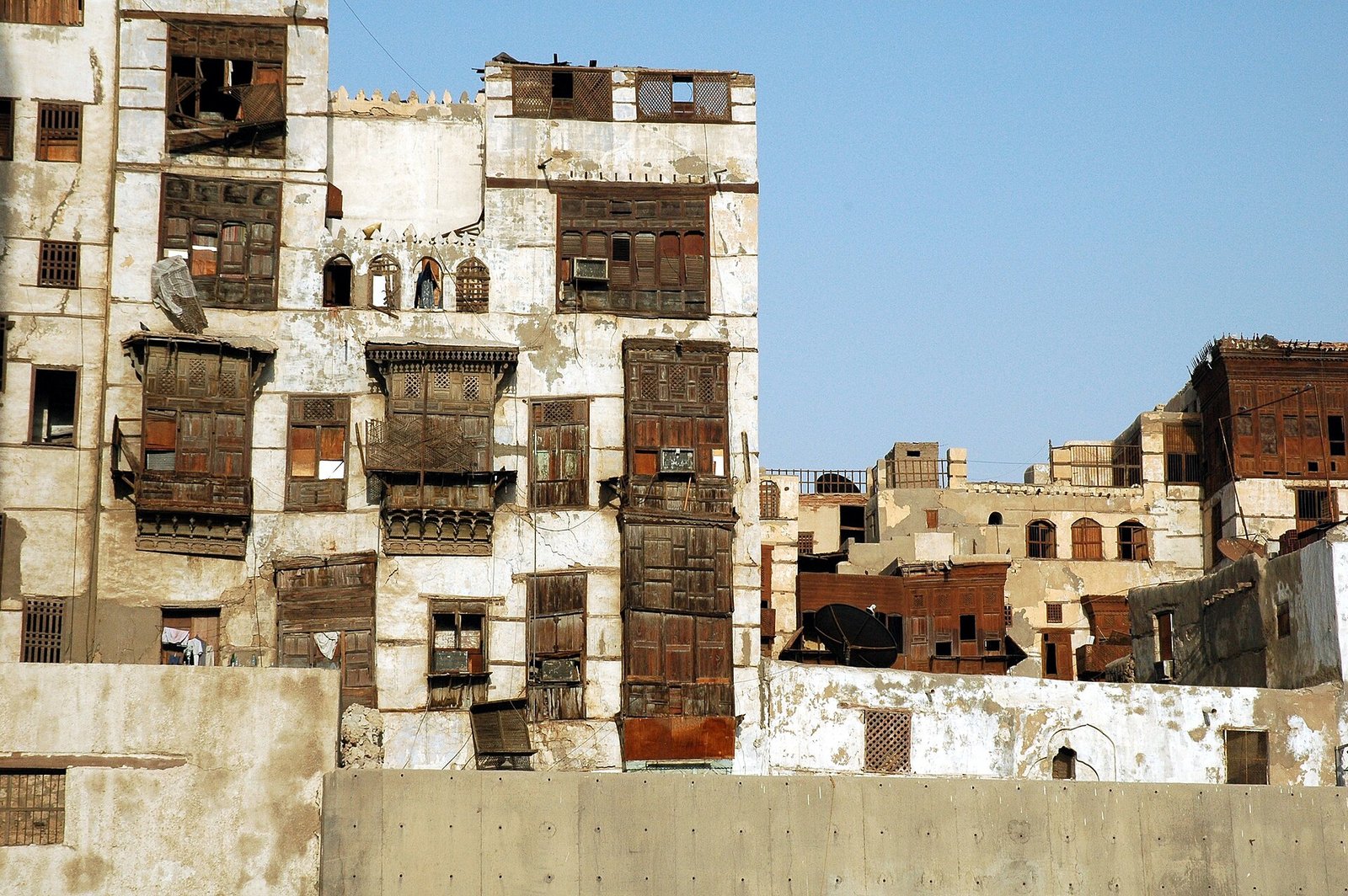
For centuries Jeddah was a relatively small city surrounded by a wall whose gates closed at night, the most famous being Bab Makkah on the eastern side. Inside, coral-stone houses with several storeys and wooden rawasheen crowded together, separated by narrow lanes and small squares. With space so limited, every metre inside the wall mattered, and the quarter was the unit that organised people’s lives.
In the mid-twentieth century, as the city grew rapidly, the wall was removed and Jeddah spread north, south and east. Many families moved to new districts, but the old quarters remained the city’s heart and memory. Today, with restoration and revival projects in Historic Jeddah, these quarters are back in the spotlight.
The Main Quarters
Historians and Jeddawis describe the old city as divided into several main quarters, the best known being four, each named for its location or its story:
Harat Al-Mazloum
One of the most famous quarters and the most present in local memory. Popular accounts link its name — “the wronged one” — to a man from Jeddah who was unjustly killed in an earlier historical era, the quarter taking his epithet. It lies in the north-eastern part of Al-Balad, and Al-Shafi’i Mosque, one of Jeddah’s oldest, is said to be within it. Visitors love wandering its lanes for its many heritage houses.
Harat Al-Sham
Named because it lies on the northern side of the city — towards the Levant (Al-Sham). It was one of the larger quarters, home to well-known merchant families. Walking through it today, you’ll notice the mix of restored and untouched houses that gives it its special character.
Harat Al-Yemen
Located on the southern side of Al-Balad, towards Yemen, from which it takes its name. It contains several well-known historic houses and is on the route of many tours thanks to its proximity to some of Al-Balad’s key landmarks.
Harat Al-Bahr
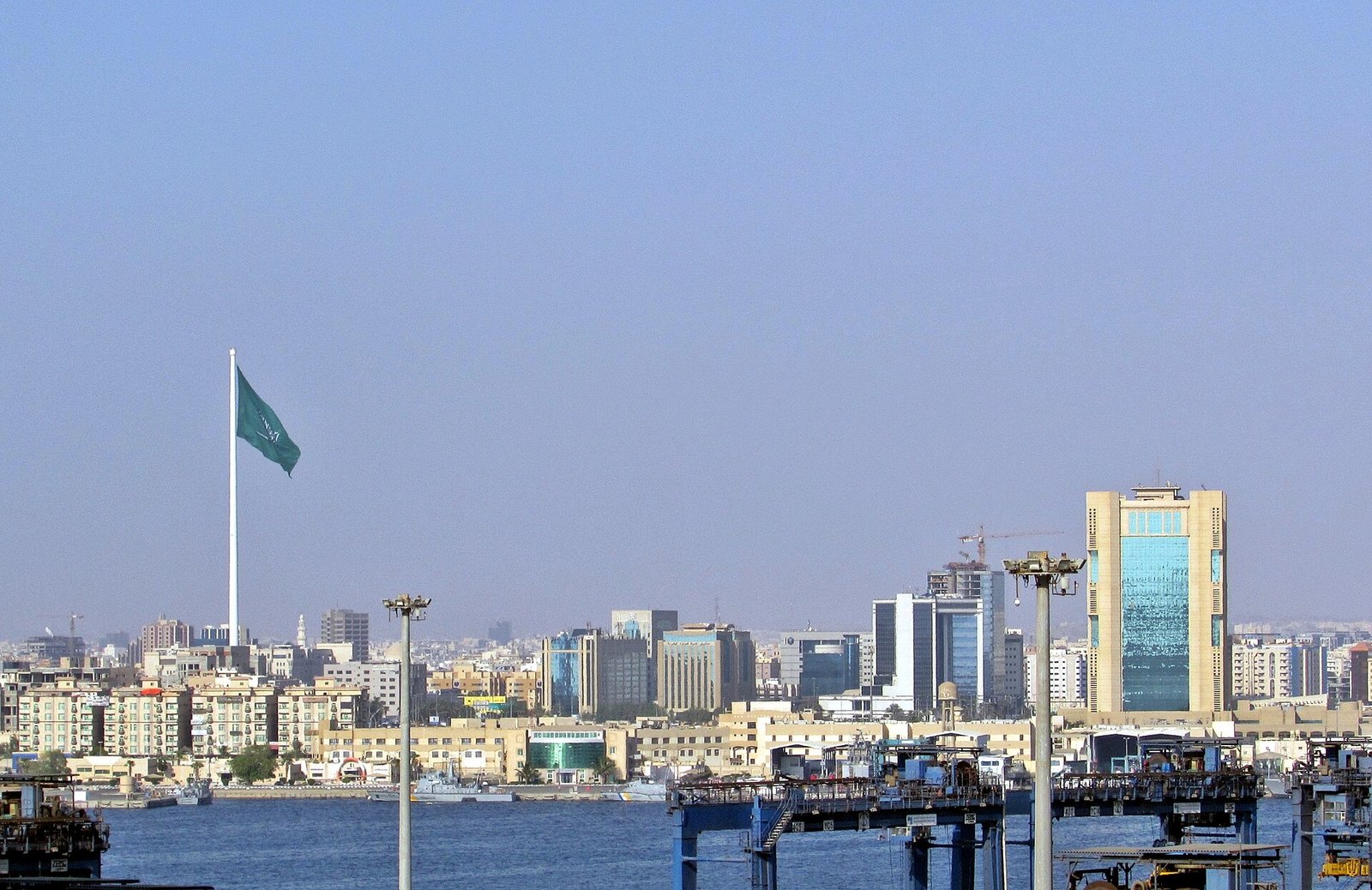
As its name (“the sea quarter”) suggests, it was closest to the sea on the western side, when the coastline lay much nearer to Al-Balad than it does today after land reclamation and urban expansion. It was tied to the sea, fishing and navigation, and many residents worked in trades linked to the port and ships.
Some historians mention sub-divisions and other names for parts of these quarters, and boundaries shifted over time. So you’ll sometimes hear different versions from Jeddawis themselves — part of the beauty of popular memory.
How Life Worked in the Hara
The umda: head of the quarter
Each quarter had an umda, a respected figure who knew the families, houses and problems, mediated disputes and represented the quarter to the authorities. The umda knew who lived there, who had just arrived and who needed help. The role still exists in Saudi cities in modern form, but the old umda was part of the quarter’s daily fabric.
The markaz: the quarter’s open majlis
The markaz was the outdoor seating where the quarter’s men gathered, often in front of the umda’s or a notable’s house, or outside a shop. News was shared, tea drunk, problems solved and strangers received. It worked as the quarter’s media and social centre — through it, everyone knew what was happening.
The barha: the quarter’s square
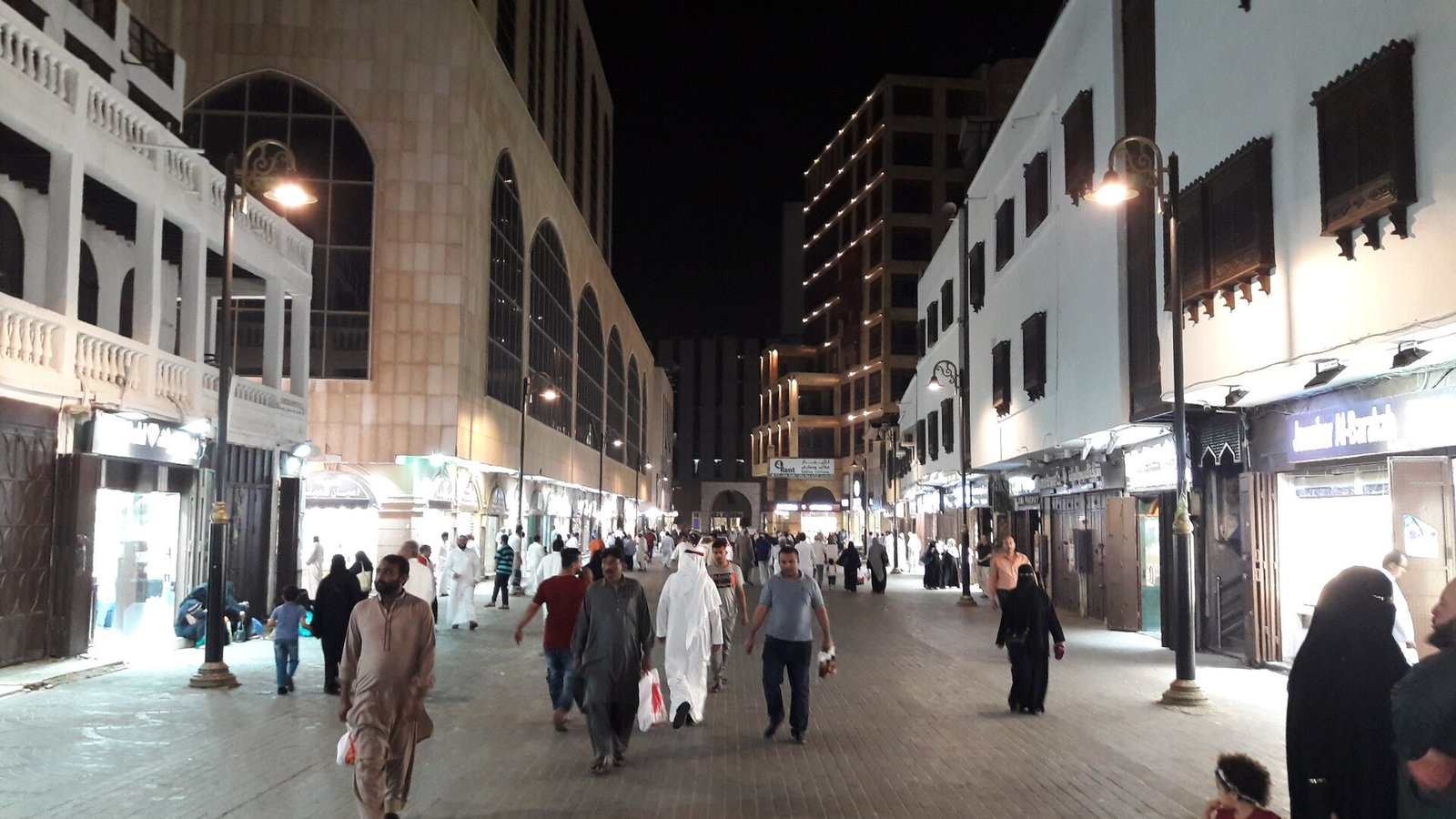
Barha is a Hejazi word for a small open square between houses. Barhas were playgrounds for children, gathering places for occasions and sometimes wedding venues. Walking through Al-Balad today, you’ll notice these little squares opening suddenly after a narrow lane — among the best places to pause and take it all in.
Neighbourliness: more than living side by side
In the old quarter, neighbourly ties were close to kinship. Neighbours exchanged dishes, shared joys and sorrows, watched each other’s children and helped build and repair each other’s homes. It was normal for a child to walk into a neighbour’s house as if it were their own. This spirit is what Jeddawis miss most when they talk about the haras.
Trades and shops
Each quarter had shops for daily needs: the baker, the grocer, the water carrier who delivered water to homes, the carpenter, the tailor, the barber. Some trades clustered in particular quarters depending on proximity to the sea or the big markets. Over time, some of these shops became businesses that still operate in Al-Balad today.
Water: The Daily Challenge
One story that always amazes my guests is the story of water in old Jeddah. The city is coastal, but fresh water was scarce. For long periods people relied on rainwater stored in cisterns and wells, and on water brought from outside the city. The water carrier (saqqa) was a key figure in every quarter, delivering water in skins or tins for a fee, and families stored it in large clay jars (zeer) that cooled it through evaporation.
Jeddawis also remember the Kandasa, a seawater distillation machine the city knew in the early twentieth century. Its name lives on in popular memory — some elders still call fresh water “Kandasa water.” These small details explain why houses were designed to catch breezes and cool water jars, and why water held such a special place in the life and hospitality of the quarter.
Occasions in the Quarter
Weddings in the old quarters were communal affairs. Processions moved through the lanes, and mizmar — a Hejazi folk art combining rhythm, song and movement with sticks — was performed in the barhas and in front of houses. In Ramadan the quarters became extended gatherings after taraweeh, and at Eid visits moved from house to house. For more on this atmosphere, read my Ramadan in Historic Jeddah guide.
Children of the Quarter
Ask any older Jeddawi about childhood in the hara and they’ll smile before answering. The lanes and barhas were open playgrounds where children played simple traditional games until the sunset call to prayer, when each household called its children home. Adults saw themselves as responsible for every child: if a child misbehaved, any neighbour would correct him; if he was late home, everyone knew where to find him. This collective upbringing is one of the things Jeddawis recall most fondly, often comparing it with modern districts where neighbours may barely know each other.
Exploring the Quarters Today
The old quarters are part of Historic Jeddah, a UNESCO World Heritage Site since 2014. Boundaries between them aren’t marked everywhere, so you may walk from one to another without noticing. Some tips:
- Start from a known landmark: such as Bab Makkah or Nassif House square, then branch into the lanes.
- Ask locals: many vendors and elders know the quarter boundaries and stories, and love to talk about them.
- Look for barhas: small squares are ideal stops for understanding a quarter’s layout.
- Notice the mosques: they were the centres of the quarters; knowing where they are helps you read the city.
- Respect residents: some houses are still lived in; don’t approach private doors or photograph people without permission.
- Pick the right time: late afternoon onwards is best most of the year.
For a ready-made walking route through Al-Balad’s highlights, see my guide to what to expect on an Al-Balad walking tour, and for the city’s broader story, read the history of Jeddah.
A Suggested Quarters Walk
- Bab Makkah: start on the east, where travellers once set out for Makkah.
- North-east: the lanes of Harat Al-Mazloum and Al-Shafi’i Mosque.
- North: Harat Al-Sham and its merchant houses.
- West: towards Harat Al-Bahr, imagining the old shoreline that once lay close.
- South: Harat Al-Yemen and the landmarks nearby.
- Finish: a barha or square for tea and a chat about everything you’ve seen.
The walk takes two to three hours at a relaxed pace and can be shortened or extended to suit your energy and interests.
Why the Quarters Need a Storyteller
The quarters don’t introduce themselves. No sign tells you that this markaz hosted the quarter’s men every night, that this barha saw whole families’ weddings, or that this lane was the water carrier’s morning route. These stories pass from person to person, and a local guide gathers them for you. On my Historic Jeddah tour, I take you through the quarters and share what I’ve heard from Jeddah’s elders about life there, so you see Al-Balad as it was, not just as it looks in photos. To see how the city moved beyond its walls to the sea and modern districts, the full Jeddah city tour completes the picture.
FAQ
What are Jeddah’s old quarters?
The best known are four: Harat Al-Mazloum, Harat Al-Sham, Harat Al-Yemen and Harat Al-Bahr, with sub-divisions mentioned by historians.
Why is it called Harat Al-Mazloum?
Popular accounts link the name to a man from Jeddah who was unjustly killed; the quarter took his epithet, “the wronged one.”
What is a markaz?
Outdoor seating where the quarter’s men met to share news, drink tea, settle problems and receive guests.
What does barha mean?
A Hejazi word for a small open square between houses in a quarter.
Do people still live in the old quarters?
Yes — some houses are still inhabited, alongside restored houses used for cultural and tourism purposes, and others under restoration.
The Takeaway
Jeddah’s old quarters are the soul living behind the rawasheen and coral walls. Al-Mazloum, Al-Sham, Al-Yemen and Al-Bahr aren’t just names on a map, but a whole world of neighbours, markaz gatherings, barhas, umdas and stories. Walk Al-Balad knowing these details and you’ll hear, in every lane, the echo of a life that was here — and still is, for those who know how to listen. Next time you visit, pause in a barha, close your eyes for a moment, and imagine the children’s voices, the water carrier’s call and the chatter of the markaz; you’ll understand why Jeddawis say the hara wasn’t just a place to live — it was one big family.
Walk Al-Balad’s Quarters With a Jeddawi
I’m Adel Alsulami, a licensed tour guide in Jeddah with more than eight years of experience. Join me among Jeddah’s old quarters and hear their stories.
📞 Call & WhatsApp: +966 50 444 6088 (WhatsApp)
✉️ Email: Adel@iAdelAlsulami.com
👉 Book your tour now
Planning a visit? Meet Adel Alsulami, your licensed Jeddah tour guide and discuss a private itinerary around your interests.